
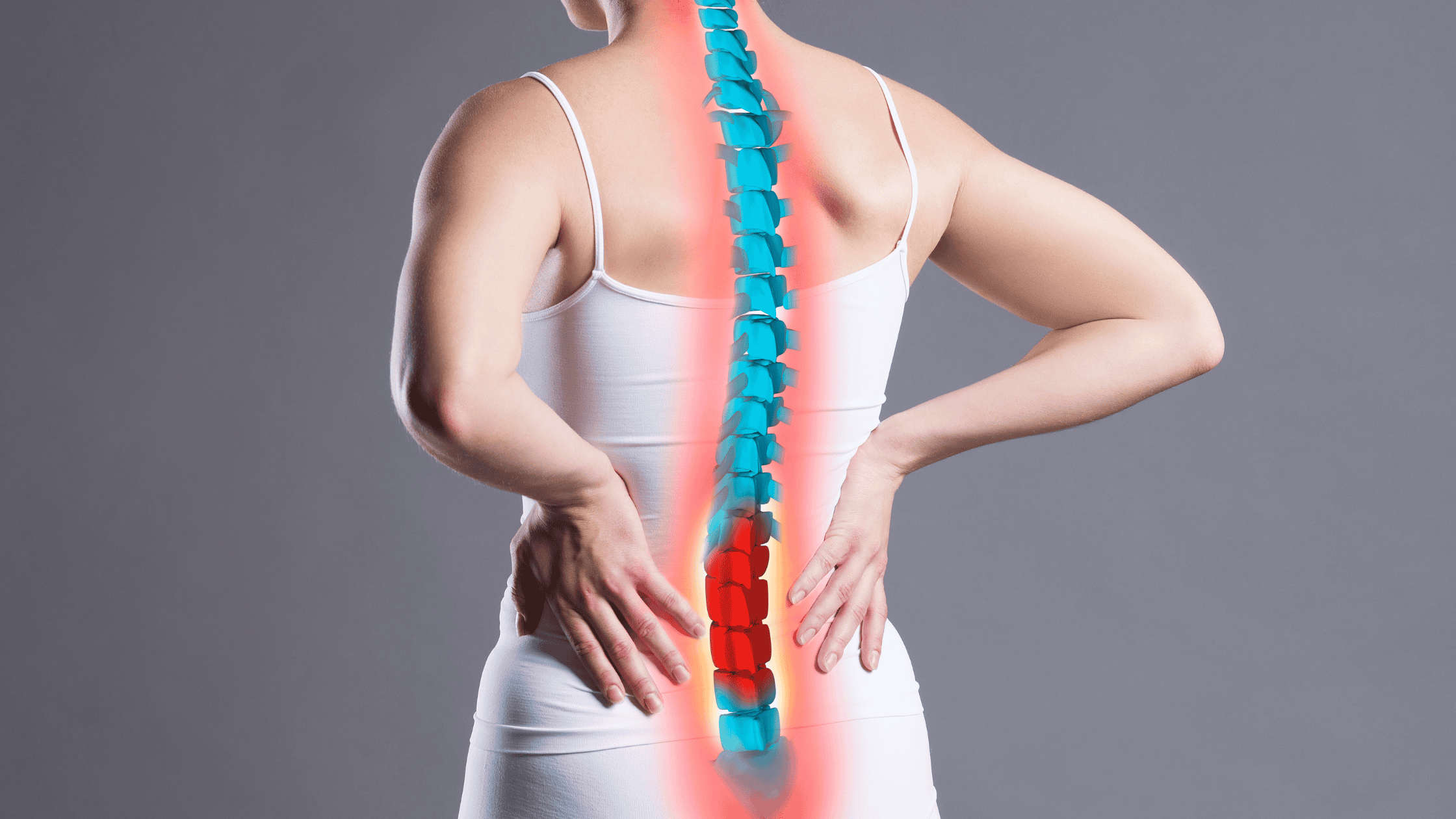
Sciatica is one of the most common causes of radiating leg pain, yet it is often misunderstood. While many people associate it with a specific diagnosis, sciatica is actually a symptom of an underlying condition affecting the sciatic nerve. Understanding what it is, why it happens, and how it can be treated can help individuals make informed decisions about managing their pain and seeking care.
What Is Sciatica?
Sciatica refers to pain that travels along the path of the sciatic nerve, the largest nerve in the human body. This nerve runs from the lower back, through the hips and buttocks, and down each leg. When the nerve becomes irritated or compressed, it can lead to pain, numbness, tingling, or weakness in the affected leg.
Sciatica is not a condition on its own but rather a sign that something is affecting the nerve, often in the lumbar spine.
What Are the Symptoms of Sciatica?
The symptoms of sciatica can vary in intensity, ranging from mild discomfort to severe, disabling pain. Common symptoms include:
- Sharp or burning pain that radiates from the lower back into the leg
- Pain that typically affects one side of the body
- Tingling or “pins and needles” sensation in the leg or foot
- Numbness in parts of the leg or foot
- Muscle weakness in the affected leg
- Pain that worsens with sitting, coughing, or sudden movements
What Causes Sciatica?
Sciatica is most commonly caused by compression of the sciatic nerve roots in the lower spine. Several conditions can lead to this compression, including:
- Herniated or bulging discs in the lumbar spine
- Spinal stenosis (narrowing of the spinal canal)
- Degenerative disc disease
- Bone spurs that press on nerve roots
- Spondylolisthesis, where one vertebra slips forward over another
- Muscle spasms, particularly in the piriformis muscle
In some cases, injury or prolonged poor posture may also contribute to nerve irritation.
How Is Sciatica Diagnosed?
Diagnosis typically begins with a physical examination and a review of symptoms. A healthcare provider may assess muscle strength, reflexes, and areas of pain. If sciatica is suspected, imaging tests such as MRI or CT scans may be ordered to identify the underlying cause of nerve compression.
Accurate diagnosis is essential because treatment depends on what is causing the pressure on the sciatic nerve.
What Are the Treatment Options for Sciatica?
Most cases of sciatica improve with conservative, non-surgical treatments. Common treatment options include:
Physical Therapy
Targeted exercises can help improve flexibility, strengthen core muscles, and reduce pressure on the sciatic nerve. A structured physical therapy program is often one of the most effective long-term treatments.
Medications
Over-the-counter anti-inflammatory medications may help reduce pain and swelling. In some cases, muscle relaxants or prescription medications may be recommended.
Epidural Steroid Injections
These injections can deliver anti-inflammatory medication directly around the affected nerve roots, helping reduce pain and inflammation.
Activity Modification
Short periods of rest may help during flare-ups, but staying active with low-impact movement is generally encouraged. Walking and gentle stretching can support recovery.
Heat and Cold Therapy
Applying heat or ice can help reduce muscle tension and inflammation in the lower back.
When Is Surgery Considered?
Surgery is typically reserved for severe cases where conservative treatments fail or when there is significant nerve compression causing weakness or loss of function. Procedures may include removing part of a herniated disc or widening the spinal canal to relieve pressure on the nerve.
Can Sciatica Be Prevented?
While not all cases can be prevented, certain lifestyle habits may reduce the risk of developing sciatica:
- Maintaining good posture while sitting and standing
- Engaging in regular exercise to strengthen the core and back
- Using proper lifting techniques
- Avoiding prolonged sitting without breaks
- Maintaining a healthy weight to reduce spinal stress
These habits help support spinal health and reduce pressure on the lower back.
When Should You See a Doctor?
Medical attention should be sought if:
- Pain lasts longer than a few weeks
- Symptoms worsen over time
- There is significant leg weakness or numbness
- Pain follows an injury
- Bladder or bowel control is affected (this is a medical emergency)
Early evaluation can help prevent symptoms from becoming chronic.
Final Thoughts
Sciatica can significantly impact quality of life, but most people find relief with conservative treatment and lifestyle adjustments. Understanding the underlying cause is key to developing an effective treatment plan. With proper care, many individuals are able to return to normal activities and reduce or eliminate pain over time.