
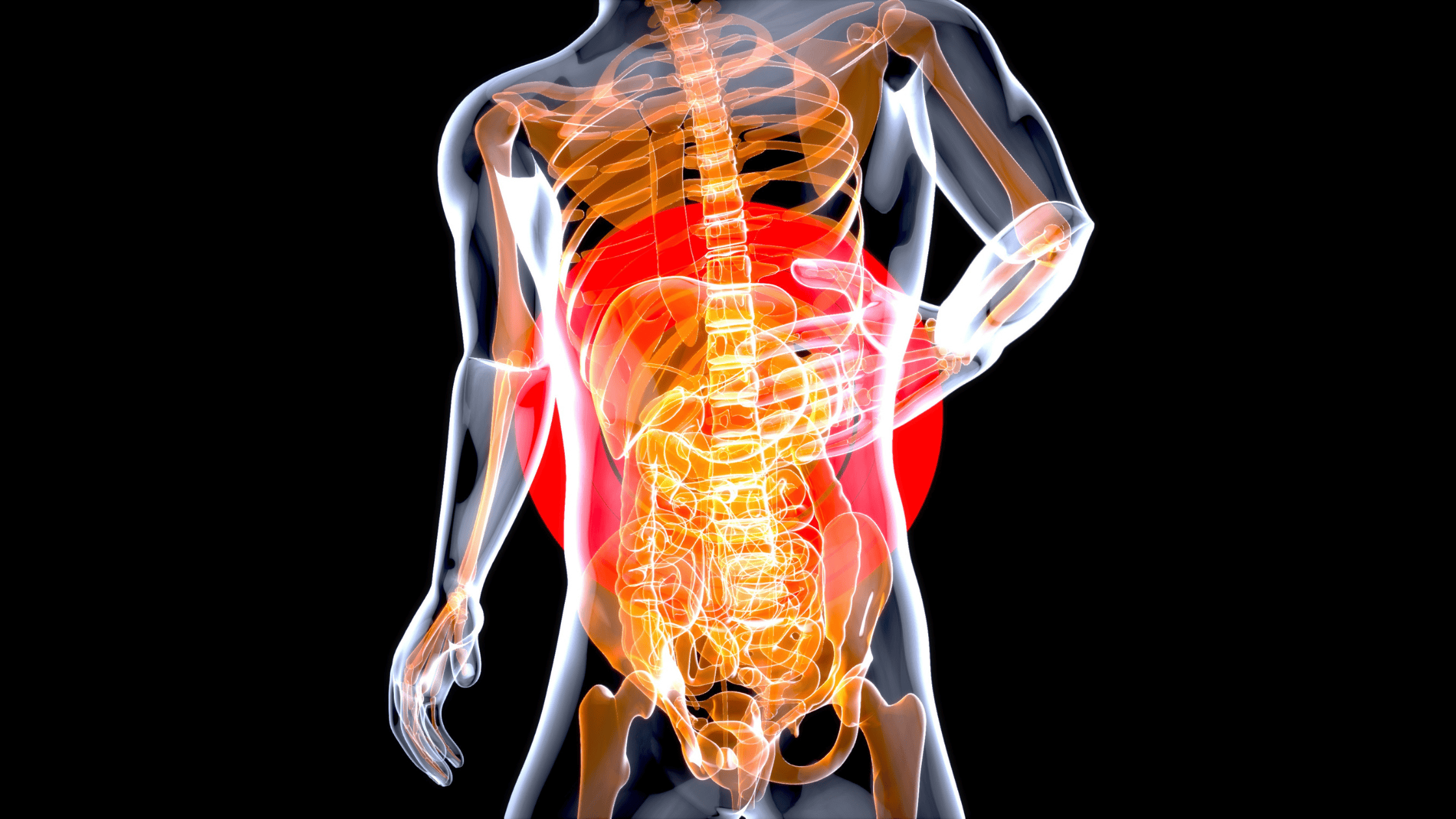
Chronic low back pain affects millions of Americans, yet identifying the exact source of pain can be challenging. While muscle strains, herniated discs, and arthritis are common causes, another condition known as vertebrogenic pain has gained increasing attention in recent years. For patients whose pain originates from changes within the vertebrae themselves, the Intracept® Procedure offers a minimally invasive treatment option that may provide long-lasting relief without spinal fusion or major surgery.
If conservative treatments have failed and imaging shows specific changes within the vertebrae, this innovative procedure may be worth discussing with a spine or pain management specialist.
What Is the Intracept® Procedure?
The Intracept® Procedure is a minimally invasive outpatient treatment designed to relieve chronic vertebrogenic low back pain by interrupting pain signals transmitted through the basivertebral nerve (BVN).
Unlike treatments that target muscles, discs, or spinal joints, Intracept specifically addresses pain generated from damaged vertebral endplates. During the procedure, a physician uses radiofrequency energy to ablate, or deactivate, the basivertebral nerve inside the affected vertebra. Once the nerve can no longer transmit pain signals, many patients experience significant and lasting improvement.
What Is Vertebrogenic Pain?
Vertebrogenic pain is a type of chronic low back pain that originates from inflammation or degeneration of the vertebral endplates.
- Persistent aching in the lower back
- Pain that worsens with sitting
- Morning stiffness
- Pain during bending or lifting
- Difficulty standing for prolonged periods
- Limited physical activity due to chronic discomfort
An MRI often reveals Modic changes, which are specific inflammatory changes within the vertebral endplates and may indicate vertebrogenic pain.
How Does the Intracept Procedure Work?
The procedure is performed using fluoroscopic imaging guidance. The physician makes a small incision, inserts specialized instruments into the affected vertebra, positions a radiofrequency probe near the basivertebral nerve, and applies controlled heat to interrupt pain transmission. The incision is then covered with a small bandage.
Most procedures take about one hour and are completed on an outpatient basis.
Who May Be a Candidate for Intracept?
- Chronic low back pain lasting six months or longer
- Failure of conservative treatment
- MRI evidence of Modic Type 1 or Type 2 changes
- Pain primarily located in the lower back
- Functional limitations from chronic pain
A comprehensive evaluation helps determine whether vertebrogenic pain is the source of symptoms.
What Are Modic Changes?
Modic changes are MRI findings that reflect inflammation or degeneration within the vertebral endplates.
Type 1
Active inflammation and edema within the bone.
Type 2
Fatty replacement associated with chronic degeneration.
What Are the Benefits of the Intracept Procedure?
- Long-lasting pain relief
- Improved mobility
- Better function
- Reduced reliance on pain medication
- Outpatient treatment
- Small incision
- No spinal hardware
- Minimal recovery time
- Preserves normal spinal motion
What Is Recovery Like?
Most patients return home the same day. Light activities may resume within several days, with gradual increases in activity over the following weeks. Pain relief may occur within weeks or continue to improve over several months.
How Effective Is the Intracept Procedure?
Clinical studies have shown meaningful improvements in pain, physical function, and quality of life for appropriately selected patients with vertebrogenic pain. Many patients experience durable symptom relief lasting several years.
How Does Intracept Compare to Other Back Pain Treatments?
| Treatment | Primary Target | Purpose |
|---|---|---|
| Physical Therapy | Muscles and movement | Improve strength and mobility |
| Epidural Steroid Injection | Inflamed spinal nerves | Temporary inflammation reduction |
| Facet Joint Radiofrequency Ablation | Facet joint nerves | Treat arthritic facet pain |
| Spinal Cord Stimulation | Pain signaling pathways | Modify pain perception |
| Lumbar Fusion | Spinal instability | Stabilize the spine |
| Intracept Procedure | Basivertebral nerve | Treat vertebrogenic pain at its source |
Frequently Asked Questions
Is the Intracept Procedure considered surgery?
It is a minimally invasive outpatient procedure performed through a small incision without spinal hardware or fusion.
Will I need general anesthesia?
The procedure may be performed using general anesthesia or conscious sedation depending on the patient’s needs and physician preference.
Can the treated nerve grow back?
Current evidence suggests the treated basivertebral nerve does not typically regenerate in a way that restores chronic pain signaling.
Will I still need physical therapy?
Many patients benefit from rehabilitation after the procedure to improve strength, flexibility, and long-term outcomes.
Does insurance cover the Intracept Procedure?
Many commercial insurance plans and Medicare provide coverage for appropriately selected patients who meet medical necessity criteria.
The Bottom Line
The Intracept® Procedure is an innovative treatment option for patients with chronic vertebrogenic low back pain. By targeting the basivertebral nerve responsible for transmitting pain from damaged vertebral endplates, the procedure can provide lasting relief while avoiding major spine surgery. If conservative treatments have not improved your symptoms, speak with a spine or pain management specialist to determine whether you may be a candidate for this minimally invasive procedure.