
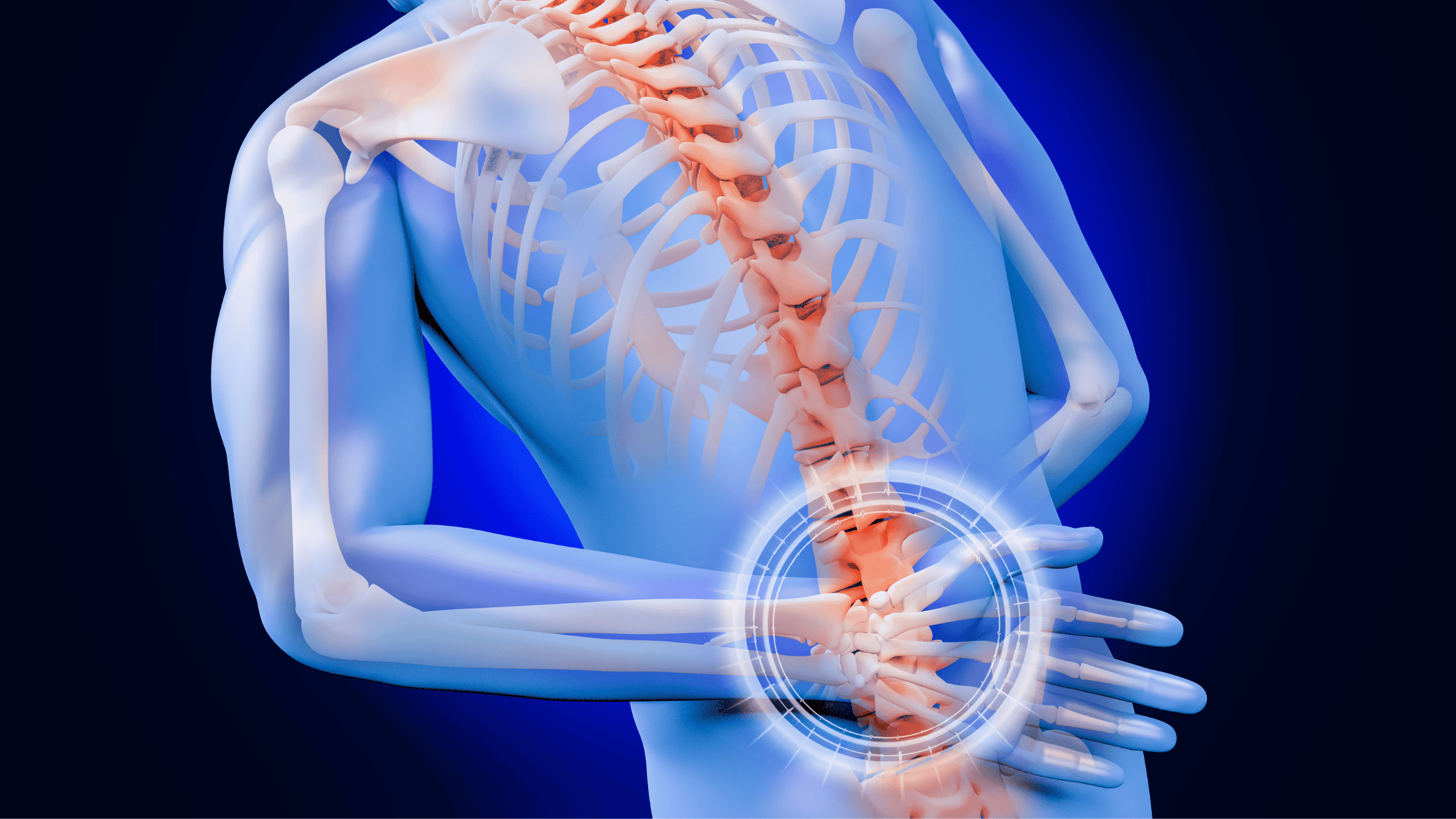
Chronic low back pain is one of the most common reasons people seek medical care, yet finding the true source of that pain is not always straightforward. Many patients are told they have degenerative disc disease, arthritis, or muscle strain, but treatments aimed at those conditions may provide only temporary relief. In some cases, the real culprit is vertebrogenic pain, a distinct type of chronic back pain that originates from the vertebral endplates rather than the discs, muscles, or facet joints.
Advances in spinal research have helped physicians better identify vertebrogenic pain, allowing many patients to receive more targeted treatment after years of unsuccessful therapies. Understanding this condition may help explain why chronic low back pain persists despite physical therapy, medications, or injections.
What Is Vertebrogenic Pain?
What does vertebrogenic pain mean?
Vertebrogenic pain refers to chronic low back pain that originates from the vertebral endplates, the thin layers of bone that connect the spinal vertebrae to the intervertebral discs. These endplates contain tiny nerve fibers supplied by the basivertebral nerve. When the endplates become damaged or chronically inflamed, those nerves can continuously send pain signals to the brain.
Unlike muscle pain or nerve compression caused by a herniated disc, vertebrogenic pain is generated from within the vertebral bones themselves.
Why Is Vertebrogenic Pain Often Misdiagnosed?
Why can vertebrogenic pain look like other back conditions?
Many causes of chronic back pain produce similar symptoms. Patients may be diagnosed with:
- Degenerative disc disease
- Lumbar arthritis
- Mechanical low back pain
- Muscle strain
- Chronic nonspecific low back pain
Because vertebrogenic pain shares many of the same symptoms, it was frequently overlooked before physicians understood the important role of the basivertebral nerve.
Today, improved MRI interpretation and better understanding of spinal anatomy allow specialists to recognize vertebrogenic pain more accurately.
What Are the Symptoms of Vertebrogenic Pain?
How does vertebrogenic pain typically feel?
Patients with vertebrogenic pain often describe:
- Deep, aching pain in the center of the lower back
- Pain that worsens with prolonged sitting
- Increased discomfort when bending forward
- Morning stiffness
- Pain that limits standing for long periods
- Pain that has lasted longer than six months
Unlike sciatica, vertebrogenic pain usually does not cause significant pain traveling below the knee or extensive numbness and tingling in the legs.
What Causes Vertebrogenic Pain?
What damages the vertebral endplates?
Several factors can contribute to endplate damage and inflammation, including:
- Normal age-related spinal degeneration
- Repetitive heavy lifting
- Prior back injuries
- Degenerative disc changes
- Years of mechanical stress on the spine
Over time, inflammation around the endplates sensitizes the basivertebral nerve, allowing chronic pain signals to continue even after the original injury has healed.
How Is Vertebrogenic Pain Diagnosed?
How do spine specialists identify vertebrogenic pain?
Diagnosis begins with a detailed medical history and physical examination. Your physician will evaluate:
- The location of your pain
- Activities that worsen symptoms
- Previous treatments you’ve tried
- Neurological symptoms
- Functional limitations
MRI plays an especially important role because vertebrogenic pain is strongly associated with specific findings known as Modic changes. These changes appear near the vertebral endplates and indicate inflammation or degeneration within the bone.
When a patient’s symptoms match these MRI findings, vertebrogenic pain becomes a much more likely diagnosis.
Who Is Most Likely to Have Vertebrogenic Pain?
Are certain people at higher risk?
Vertebrogenic pain is more common among adults who:
- Have experienced chronic low back pain for at least six months
- Have not improved with conservative treatments
- Spend long hours sitting
- Perform repetitive lifting at work
- Have age-related spinal degeneration
- Have MRI evidence of Modic Type 1 or Type 2 changes
Many patients have undergone months or even years of physical therapy, medications, chiropractic care, or injections before vertebrogenic pain is identified.
Why Don’t Traditional Treatments Always Work?
Why can chronic low back pain continue despite treatment?
Many traditional treatments focus on muscles, joints, or spinal discs. If the actual pain generator is the basivertebral nerve inside the vertebra, those therapies may provide only temporary improvement.
Common conservative treatments include:
- Physical therapy
- Anti-inflammatory medications
- Activity modification
- Epidural steroid injections
- Facet joint injections
While these treatments remain appropriate for many causes of back pain, they may not fully address vertebrogenic pain.
What Treatment Options Are Available?
How is vertebrogenic pain treated?
Treatment depends on the severity of symptoms and the underlying diagnosis.
Many patients begin with conservative care, including:
- Physical therapy
- Core strengthening exercises
- Weight management
- Anti-inflammatory medications
- Lifestyle modifications
For carefully selected patients whose pain has persisted despite conservative treatment, physicians may recommend basivertebral nerve ablation (BVNA). This minimally invasive procedure uses radiofrequency energy to interrupt pain signals carried by the basivertebral nerve.
Clinical studies have demonstrated durable improvements in pain and function for many appropriately selected patients undergoing this procedure.
When Should You See a Spine Specialist?
When is chronic back pain worth further evaluation?
- Your back pain has lasted longer than six months.
- Conservative treatment has not provided lasting relief.
- Sitting or bending forward consistently worsens your pain.
- Your pain interferes with work or daily activities.
- MRI findings suggest vertebral endplate changes.
Receiving an accurate diagnosis is often the first step toward finding an effective treatment plan.
Frequently Asked Questions About Vertebrogenic Pain
Is vertebrogenic pain the same as degenerative disc disease?
No. Although the conditions may occur together, vertebrogenic pain specifically originates from the vertebral endplates and basivertebral nerve, while degenerative disc disease primarily involves deterioration of the spinal discs.
Can vertebrogenic pain heal on its own?
Some mild cases may improve with conservative treatment. However, chronic vertebrogenic pain often persists because ongoing inflammation continues to stimulate the basivertebral nerve.
Does vertebrogenic pain always require surgery?
No. Many patients improve with non-surgical treatment. When conservative therapies fail, minimally invasive procedures such as basivertebral nerve ablation may be considered before traditional spine surgery.
Is vertebrogenic pain common?
Researchers now believe vertebrogenic pain is responsible for a significant percentage of chronic low back pain cases that were previously labeled as nonspecific or mechanical back pain.
Don’t Ignore Persistent Low Back Pain
Chronic low back pain is not always caused by muscles, discs, or arthritis. For many people, vertebrogenic pain may be the hidden source of symptoms that have lingered for months or even years. As physicians gain a better understanding of this condition, more patients are receiving accurate diagnoses and targeted treatments designed to address the true source of their pain.
If your low back pain has not improved despite conservative care, a comprehensive evaluation by an experienced spine or pain management specialist can help determine whether vertebrogenic pain may be contributing to your symptoms and identify the most appropriate treatment options.