
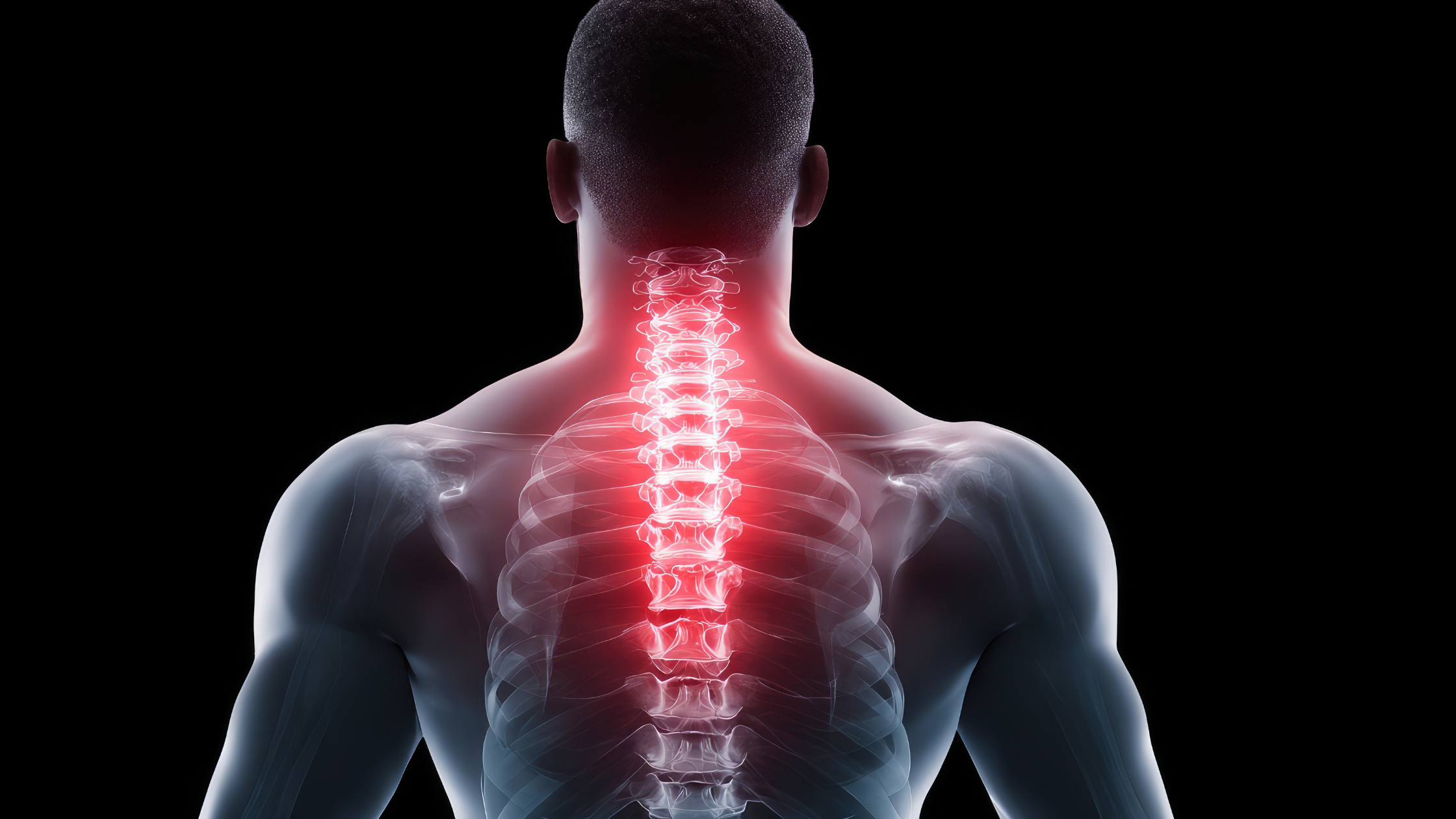
Chronic nerve pain can significantly affect mobility, sleep, work, and overall quality of life. For patients whose pain persists despite medications, physical therapy, or injections, neuromodulation therapies may offer another path to long-term relief. Two of the most effective options are Peripheral Nerve Stimulation (PNS) and Spinal Cord Stimulation (SCS).
Although both treatments use mild electrical impulses to interrupt pain signals before they reach the brain, they are designed to treat different types of pain and target different areas of the nervous system. Understanding how these therapies compare can help patients make informed decisions when discussing treatment options with their pain management specialist.
What Is Peripheral Nerve Stimulation (PNS)?
Peripheral Nerve Stimulation (PNS) is a minimally invasive treatment that delivers gentle electrical impulses directly to a specific peripheral nerve responsible for chronic pain. Peripheral Nerve Stimulation works by altering pain signals before they travel to the brain, reducing the sensation of pain without damaging the nerve.
A small electrical lead is placed near the affected nerve using image guidance, and the stimulation is carefully adjusted to provide relief while allowing patients to continue normal daily activities.
Because PNS targets a single nerve or a small group of nerves, it is often recommended for localized pain rather than widespread pain involving multiple areas of the body.
What Is Spinal Cord Stimulation (SCS)?
Spinal Cord Stimulation (SCS) is another minimally invasive neuromodulation therapy, but instead of targeting individual peripheral nerves, it delivers electrical stimulation to the spinal cord.
Small electrodes are placed within the epidural space along the spine. These electrodes modify pain signals traveling through the spinal cord before they reach the brain.
Spinal Cord Stimulation is commonly used for chronic pain that affects larger regions of the body, particularly pain involving the back, legs, arms, or multiple nerve distributions.
Many modern SCS systems provide paresthesia-free stimulation, meaning patients receive pain relief without feeling the tingling sensations associated with earlier generations of spinal cord stimulators.
How Do Peripheral Nerve Stimulation and Spinal Cord Stimulation Differ?
Peripheral Nerve Stimulation and Spinal Cord Stimulation differ primarily in where they deliver electrical stimulation and the types of pain they are designed to treat.
Peripheral Nerve Stimulation targets individual nerves outside the spinal cord, making it ideal for localized nerve pain. Spinal Cord Stimulation targets the central pain pathways within the spinal cord, making it better suited for widespread or regional chronic pain.
What Conditions Are Commonly Treated with Peripheral Nerve Stimulation?
Peripheral Nerve Stimulation is commonly recommended for patients with pain that can be traced to one or more specific peripheral nerves.
- Chronic knee pain
- Shoulder pain
- Occipital neuralgia
- Post-surgical nerve pain
- Chronic foot or ankle pain
- Peripheral nerve injuries
- Certain types of chronic headaches
- Localized neuropathic pain
Because treatment focuses on a single nerve, patients often experience targeted pain relief while preserving normal movement and function.
What Conditions Are Commonly Treated with Spinal Cord Stimulation?
Spinal Cord Stimulation is typically recommended for more widespread chronic pain conditions involving multiple nerves or larger portions of the body.
- Failed Back Surgery Syndrome (FBSS)
- Chronic low back pain
- Lumbar radiculopathy
- Cervical radiculopathy
- Complex Regional Pain Syndrome (CRPS)
- Diabetic peripheral neuropathy
- Chronic leg pain
- Persistent spinal pain syndrome
Which Procedure Is More Minimally Invasive?
Both Peripheral Nerve Stimulation and Spinal Cord Stimulation are considered minimally invasive outpatient procedures.
Peripheral Nerve Stimulation generally involves placing one or two small leads near the affected peripheral nerve through a tiny skin puncture. Spinal Cord Stimulation involves placing leads into the epidural space near the spinal cord. Both therapies begin with a temporary trial period before permanent implantation is considered.
What Is the Trial Period and Why Is It Important?
The trial period allows patients to experience the therapy before committing to permanent implantation. Temporary leads are placed for several days to one week, allowing physicians and patients to evaluate the level of pain relief achieved.
If the therapy significantly reduces pain and improves function, permanent implantation may be recommended.
How Do Physicians Decide Which Therapy Is Right?
Choosing between Peripheral Nerve Stimulation and Spinal Cord Stimulation depends on the location of pain, the underlying diagnosis, imaging findings, previous treatments, and overall treatment goals.
- Location of pain
- Localized versus widespread symptoms
- Cause of nerve irritation
- Previous surgeries
- Response to injections
- Imaging studies
- EMG or nerve conduction study findings
- Functional limitations
- Patient goals
Are Peripheral Nerve Stimulation and Spinal Cord Stimulation Safe?
Both therapies have well-established safety profiles when performed by experienced interventional pain specialists. Potential risks include infection, bleeding, lead movement, discomfort at the implant site, and equipment-related complications, although serious complications are uncommon.
Can Either Therapy Eliminate the Need for Pain Medication?
Peripheral Nerve Stimulation and Spinal Cord Stimulation are not cures, but they may significantly reduce pain and improve function. Successful treatment may allow some patients to reduce their reliance on pain medication as part of a comprehensive pain management plan.
- Reduced pain intensity
- Improved mobility
- Better sleep
- Greater participation in daily activities
- Improved quality of life
- Reduced medication use when appropriate
Which Neuromodulation Therapy May Be Right for You?
Peripheral Nerve Stimulation may be appropriate for localized nerve pain, while Spinal Cord Stimulation is often recommended for broader chronic pain involving the spine or multiple nerve pathways. A comprehensive evaluation helps determine which therapy best addresses the underlying cause of pain and offers the greatest opportunity for long-term relief.
With an accurate diagnosis and a personalized treatment plan, many patients can reduce chronic pain, improve daily function, and regain a higher quality of life through advanced neuromodulation therapies.