
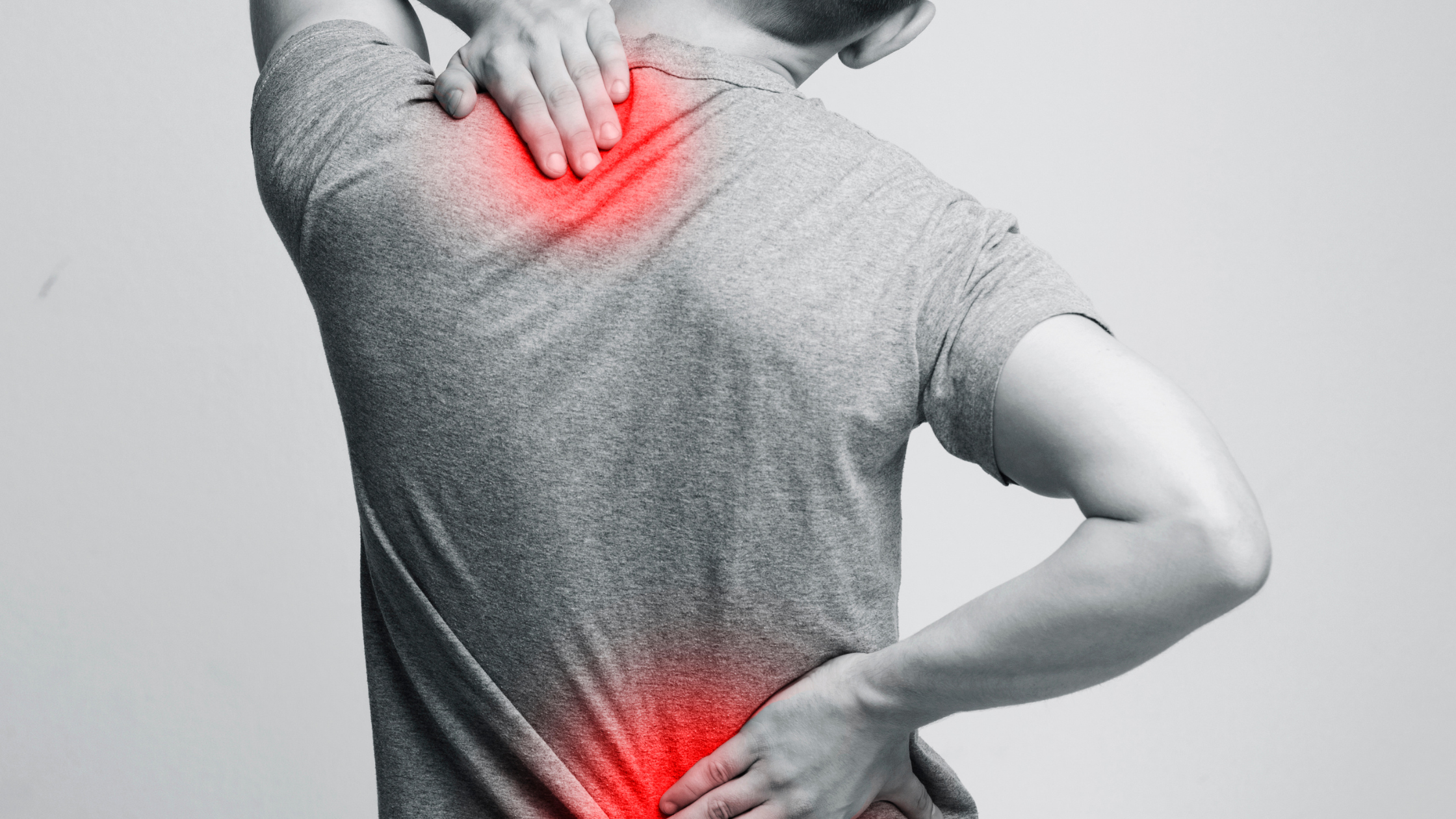
Neck and back pain are among the most common health complaints, affecting millions of people every year. Whether caused by poor posture, injury, degenerative conditions, or everyday wear and tear, this type of pain can interfere with work, sleep, and overall quality of life.
While surgery is sometimes necessary, many patients find significant relief through non-surgical treatments. In fact, conservative and interventional pain management approaches are often the first line of care—and for good reason. These treatments can reduce pain, improve mobility, and help you return to your normal routine without the risks and recovery time associated with surgery.
If you’re dealing with persistent neck or back pain, here’s a closer look at the most effective non-surgical treatment options available.
Non-Surgical Treatments for Neck and Back Pain
Physical Therapy and Guided Exercise
Physical therapy is often one of the first recommendations for managing neck and back pain. A structured program designed by a licensed physical therapist focuses on improving strength, flexibility, and posture.
- Strengthen core and spinal support muscles
- Improve range of motion
- Correct poor movement patterns
- Reduce strain on the spine
Consistency is key. Over time, physical therapy not only relieves pain but also helps prevent future flare-ups.
Medications for Pain Relief
Medications can play a role in managing symptoms, especially during acute flare-ups. These may include:
- Over-the-counter anti-inflammatory drugs (NSAIDs)
- Muscle relaxants for spasms
- Prescription medications for more severe pain
While medications can provide short-term relief, they are typically used alongside other treatments rather than as a long-term solution.
Epidural Steroid Injections
Epidural steroid injections are a common interventional treatment for back and neck pain caused by inflammation, herniated discs, or nerve compression.
This procedure involves injecting a corticosteroid medication into the epidural space around the spine to reduce inflammation and relieve pressure on nerves.
- Reduced pain and inflammation
- Improved mobility
- Temporary or long-lasting relief
Facet Joint Injections
Facet joints are small joints in the spine that provide stability and allow for movement. When these joints become inflamed or arthritic, they can cause localized neck or back pain.
Facet joint injections deliver medication directly into these joints to reduce inflammation and discomfort. They can also help diagnose the source of pain.
Radiofrequency Ablation (RFA)
Radiofrequency ablation is a minimally invasive procedure that provides longer-lasting relief for chronic pain originating from facet joints.
Using heat generated by radiofrequency energy, this treatment disrupts the pain signals sent by specific nerves. Relief can last for several months or longer.
Nerve Blocks
Nerve blocks are another targeted treatment option used to interrupt pain signals from specific nerves.
- Provide immediate pain relief
- Help identify the source of pain
- Guide future treatment options
Chiropractic Care and Manual Therapy
Manual therapies, including chiropractic adjustments and other hands-on techniques, can help improve spinal alignment and reduce pain.
These treatments may relieve tension, improve mobility, and reduce pressure on nerves.
Lifestyle Modifications
Small daily habits can have a big impact on neck and back pain. Lifestyle changes are often recommended alongside other treatments.
- Improve posture
- Use ergonomic furniture
- Maintain a healthy weight
- Stay active with low-impact exercise
- Practice proper lifting techniques
When to Consider Non-Surgical Treatment
Non-surgical treatments are typically recommended when pain is moderate, not rapidly worsening, and not associated with severe neurological symptoms.
A Personalized Approach to Pain Management
No two cases of neck or back pain are exactly the same. The most effective treatment plans combine multiple approaches tailored to the patient.
Final Thoughts
Neck and back pain can be disruptive, but surgery is not the only option. With the right combination of non-surgical treatments, many patients can achieve lasting relief and return to their normal activities.