
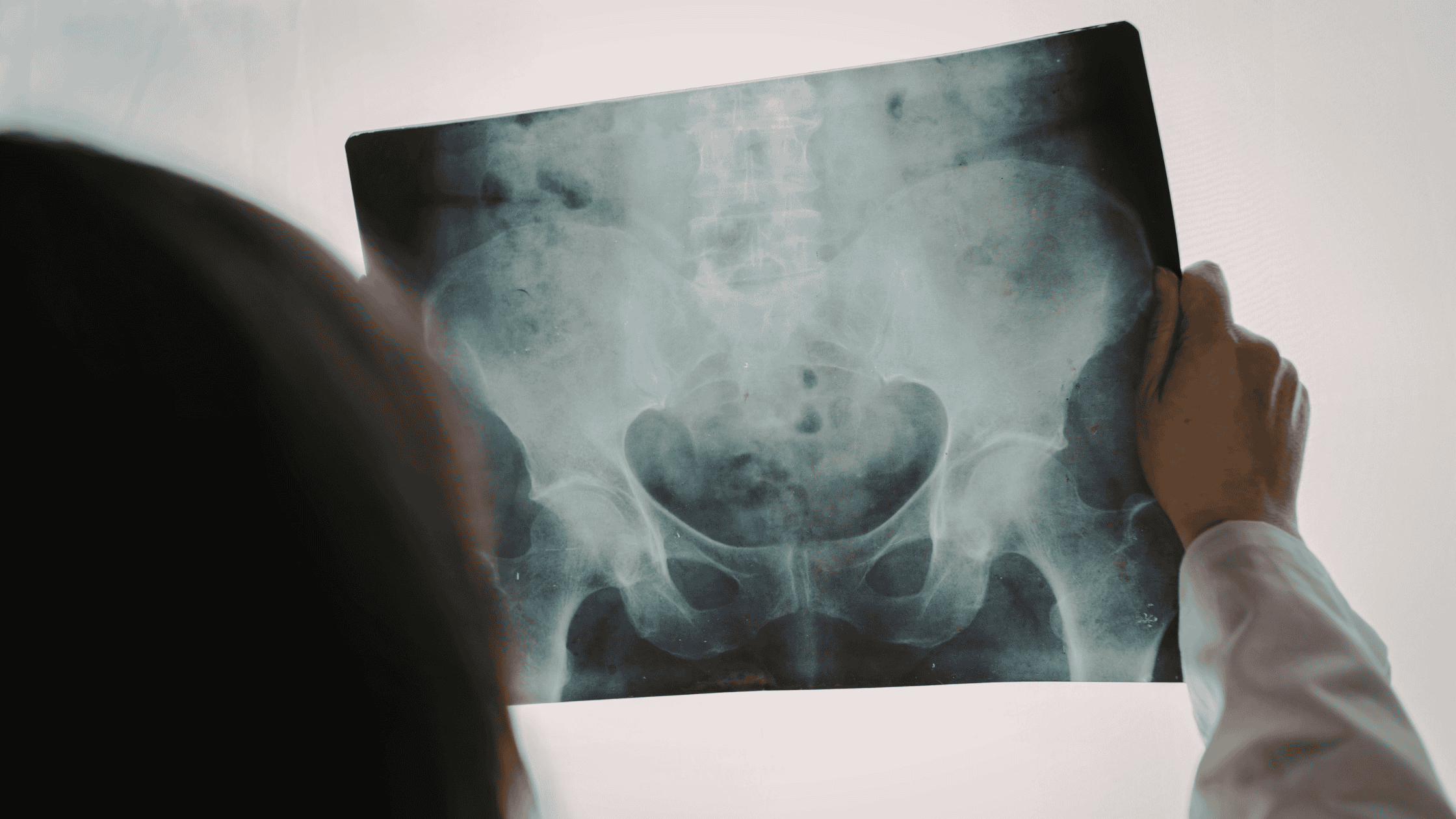
Chronic lower back pain can significantly impact daily life, limiting mobility, sleep, and overall quality of life. While many cases originate in the spine, an often-overlooked source of pain is the sacroiliac (SI) joint—the joint that connects the base of the spine to the pelvis. Research suggests that SI joint dysfunction may account for 15–30% of chronic low back pain cases, making it an important diagnosis for patients whose symptoms do not improve with traditional treatments.
A recent clinical study known as the SECURE trial, led by interventional pain specialist Dr. Aaron Calodney of Precision Spine Care, evaluated a minimally invasive surgical technique designed to stabilize the SI joint and reduce pain for patients who have not found relief through conservative care.
Understanding SI Joint Dysfunction
The sacroiliac joints play a crucial role in transferring weight and forces between the upper body and the legs. When these joints become inflamed or unstable, patients may experience:
- Lower back pain
- Pain in the hips or buttocks
- Pain radiating into the groin or upper legs
- Discomfort while standing, walking, or sitting for long periods
Treatment typically begins with non-surgical options such as physical therapy, medications, and targeted injections. However, some patients continue to experience persistent pain despite these measures.
The Goal of the SECURE Study
The SECURE clinical trial was designed to evaluate the safety, effectiveness, and durability of a minimally invasive posterior SI joint fusion procedure. The study focused on a specialized implant that is placed through a small incision to stabilize the joint and promote bone fusion over time.
Researchers wanted to determine whether this approach could:
- Significantly reduce pain
- Improve physical function
- Maintain positive outcomes over time
- Provide a safe alternative to more invasive surgical techniques
How the Procedure Works
The procedure studied in the trial involves a posterior approach, meaning the implant is placed from the back of the pelvis rather than from the side. This method typically requires a smaller incision and less tissue disruption than some traditional fusion surgeries.
During the procedure:
- A small incision is made near the SI joint.
- A specialized implant is inserted across the joint.
- The implant stabilizes the joint and encourages bone growth for long-term fusion.
Because the technique is minimally invasive, it may be performed in an outpatient setting and may involve shorter recovery times compared to traditional surgery.
Key Findings from the Study
Results from the SECURE trial showed promising outcomes for patients with chronic SI joint pain. Participants reported meaningful reductions in pain levels after the procedure. In addition, many patients experienced improvements in daily activities and overall function.
The study also found that the procedure had a favorable safety profile, with relatively low complication rates. Importantly, improvements in pain and function were maintained during follow-up, suggesting that the benefits may be durable over time.
What This Means for Patients
The findings from the SECURE study highlight the importance of properly diagnosing SI joint dysfunction in individuals with chronic low back pain. For patients who have not responded to conservative therapies, minimally invasive SI joint fusion may represent a valuable treatment option.
While additional research will continue to refine patient selection and long-term outcomes, studies like SECURE help advance the field of pain management by providing new tools to improve mobility, comfort, and quality of life for those living with persistent back pain.