
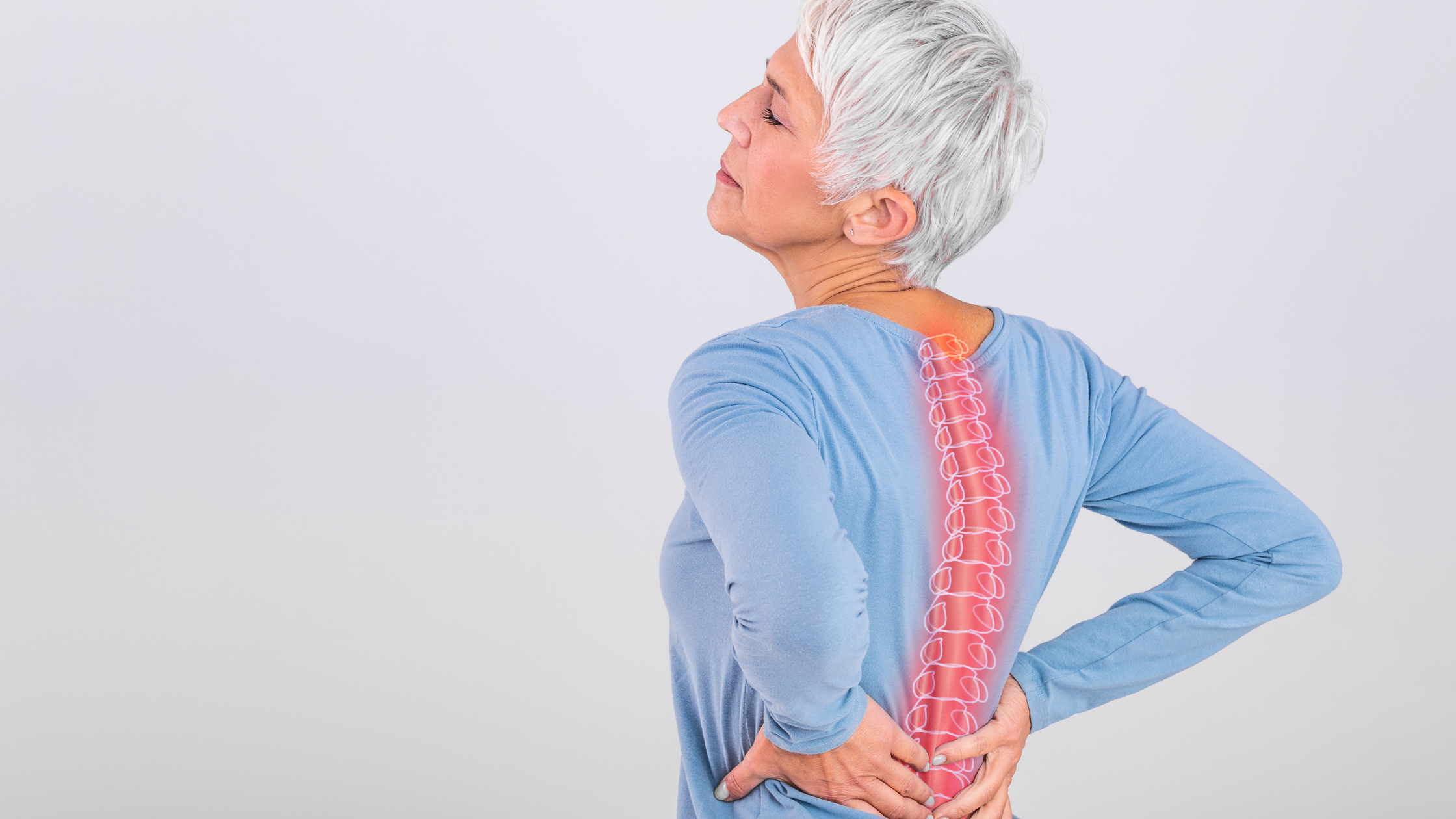
Back pain is often associated with aging, arthritis, muscle strain, or degenerative changes in the spine. But for some older adults, the underlying cause may be weaker bones. Osteoporosis can make the vertebrae vulnerable to compression fractures, which can lead to sudden or persistent back pain.
Understanding the connection between osteoporosis and spinal compression fractures is important because osteoporosis may have no noticeable symptoms until a fracture occurs. Early recognition and appropriate treatment can help reduce the risk of additional fractures and long-term complications.
What Is Osteoporosis and How Does It Affect the Spine?
What is osteoporosis and how does it affect the spine? Osteoporosis is a condition in which bone density and strength decrease, making bones more likely to break. Although osteoporosis can affect bones throughout the body, the spine is one of the areas particularly vulnerable to fractures.
The vertebrae are the individual bones that form the spinal column. When these bones become weakened by osteoporosis, normal daily activities, minor falls, bending, lifting, coughing, or even sneezing can sometimes contribute to a vertebral compression fracture.
Because osteoporosis often causes no symptoms before a fracture, a person may not realize their bones have become fragile until a spinal fracture occurs.
What Is a Vertebral Compression Fracture?
What is a vertebral compression fracture? A vertebral compression fracture occurs when one of the bones in the spine partially collapses or becomes compressed. Osteoporosis is the most common cause of these fractures, although trauma, tumors, and other conditions can also cause them.
Compression fractures frequently occur in the middle or lower portion of the spine. The front portion of a vertebra may collapse more than the back, causing the vertebra to develop a wedge-shaped appearance.
Not every compression fracture causes immediate symptoms. Some are discovered incidentally during imaging performed for another reason. Others cause sudden, significant pain.
How Does a Compression Fracture Cause Back Pain?
How does a compression fracture cause back pain? A fractured vertebra can produce localized pain because the damaged bone and surrounding tissues are affected by the fracture. Pain may begin suddenly and may become worse with movement, standing, changing positions, coughing, or sneezing. Resting or lying down may provide some relief.
In some cases, the pain gradually improves over several weeks. However, compression fractures can sometimes contribute to chronic pain, particularly when multiple fractures change the alignment and mechanics of the spine.
This is one reason persistent or unexplained back pain in an older adult should not automatically be attributed to normal aging.
What Are the Signs of an Osteoporotic Compression Fracture?
What are the signs of an osteoporotic compression fracture? Symptoms can vary, but common signs include sudden or persistent back pain, pain that increases with movement, localized tenderness, and difficulty performing normal activities.
Other changes may develop over time. Multiple vertebral fractures can result in loss of height and an increasingly rounded or hunched posture known as kyphosis.
A person who develops new back pain after a minor fall or routine movement should be evaluated, particularly if they have known osteoporosis or other risk factors for bone loss.
How Is Osteoporosis-Related Back Pain Diagnosed?
How is osteoporosis-related back pain diagnosed? Diagnosis generally begins with a medical history and physical examination. A clinician may ask about previous fractures, changes in height or posture, osteoporosis risk factors, and how the pain began.
Imaging can help determine whether a vertebral compression fracture is present. X-rays are commonly used to identify changes in vertebral shape. MRI or CT imaging may be appropriate in certain situations, including when there are concerns about nerve involvement, severe trauma, or another underlying cause of the fracture.
A bone density test, commonly called a DEXA scan, can evaluate bone mineral density and help determine whether osteoporosis or low bone mass is present.
How Are Osteoporotic Compression Fractures Treated?
How are osteoporotic compression fractures treated? Treatment depends on the severity of the fracture, the patient’s overall health, symptoms, and whether the fracture is stable. Many vertebral compression fractures improve with nonsurgical treatment, which may include activity modification, appropriate pain management, physical therapy, and, in selected cases, temporary bracing.
When pain is severe, persistent, or disabling despite conservative treatment, a physician may consider minimally invasive procedures such as vertebroplasty or kyphoplasty. These procedures are designed to stabilize the affected vertebra and may provide pain relief in appropriately selected patients.
Treatment should also address the underlying osteoporosis. Preventing additional bone loss and future fractures is an important part of long-term management.
Can Treating Osteoporosis Help Prevent Future Back Pain?
Can treating osteoporosis help prevent future back pain? Treating osteoporosis can reduce the risk of future fractures, which may help prevent additional fracture-related back pain and changes in spinal alignment.
Bone health management may include appropriate nutrition, physical activity, fall-prevention strategies, and prescription osteoporosis medications when indicated. Exercise programs should be appropriate for a person’s bone health and physical condition, particularly after a vertebral fracture.
Addressing osteoporosis after a vertebral fracture is particularly important because a previous fracture can increase the risk of additional fractures.
When Should Someone With Back Pain See a Doctor?
When should someone with back pain see a doctor? New or unexplained back pain should be medically evaluated when it is severe, follows a fall or injury, persists, or occurs in someone known to have osteoporosis or other fracture risk factors.
Urgent medical evaluation is especially important when back pain occurs with new numbness, weakness, difficulty walking, or problems controlling the bladder or bowel. These symptoms can indicate neurological involvement and require prompt assessment.
What Is the Connection Between Osteoporosis, Compression Fractures, and Back Pain?
What is the connection between osteoporosis, compression fractures, and back pain? Osteoporosis weakens the vertebrae, making them more susceptible to compression fractures. Those fractures can cause acute back pain and, when multiple fractures occur, may contribute to height loss, spinal deformity, reduced mobility, and persistent discomfort.
Recognizing this connection can help patients and healthcare providers distinguish possible fracture-related pain from other common causes of back pain. For older adults, particularly those with known or suspected osteoporosis, unexplained back pain deserves attention rather than being dismissed as an unavoidable part of aging.
This article is intended for general educational purposes and is not a substitute for an evaluation or diagnosis from a qualified healthcare professional.