
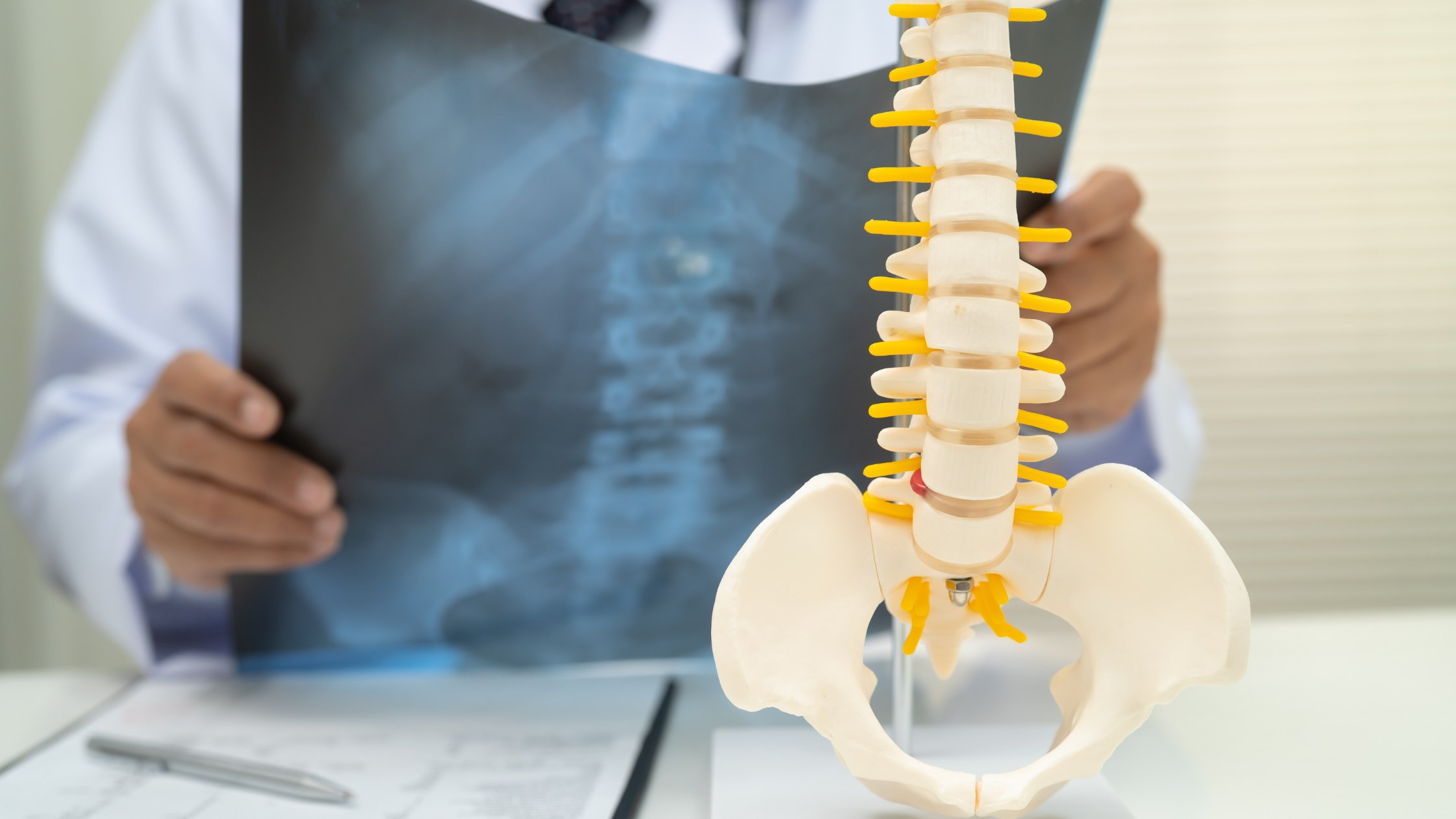
When is spine surgery necessary for back or neck pain?
When is spine surgery necessary is one of the most important questions patients ask when dealing with persistent back pain, neck pain, or spine-related conditions. Spine surgery is typically considered when other treatments have not provided adequate relief, when symptoms significantly affect daily activities, or when a structural problem in the spine requires correction.
Modern spine care focuses on using the least invasive treatment approach possible before recommending surgery. Many patients improve with conservative options such as physical therapy, targeted injections, lifestyle changes, and minimally invasive procedures. However, surgery may become an appropriate option when pain, nerve problems, or spinal instability continue despite other treatments.
What conditions may require spine surgery?
What conditions may require spine surgery depends on the specific cause of pain or dysfunction. Spine surgery may be recommended for conditions involving nerve compression, structural damage, or instability that cannot be effectively managed through non-surgical treatments.
- Herniated discs causing persistent nerve compression
- Spinal stenosis, which is a narrowing of spaces around spinal nerves
- Degenerative disc disease with significant symptoms
- Spinal fractures or injuries
- Spondylolisthesis, where one vertebra shifts out of position
- Severe spinal deformities
How long should someone try non-surgical treatments before considering spine surgery?
How long someone should try non-surgical treatments before considering spine surgery varies based on the condition and the patient’s response to care. Many physicians recommend conservative treatments first because numerous spine conditions improve without an operation.
Physical therapy, activity modification, diagnostic injections, and advanced pain management treatments may help patients manage symptoms before surgery is considered.
What symptoms indicate that spine surgery may be needed?
What symptoms indicate that spine surgery may be needed often involves more than pain alone. Doctors evaluate symptoms such as nerve involvement, loss of function, and worsening structural problems.
- Persistent back or neck pain affecting daily activities
- Pain radiating into the arms or legs
- Numbness, tingling, or weakness
- Difficulty walking or balance problems
- Progressive neurological changes
How do doctors determine if spine surgery is the right treatment?
How doctors determine if spine surgery is the right treatment involves reviewing symptoms, medical history, physical examination findings, and diagnostic imaging. MRI scans, X-rays, and other tests may help identify the source of symptoms.
A scan alone does not always mean surgery is necessary. Treatment decisions are based on matching imaging findings with symptoms and functional limitations.
Are there alternatives to traditional spine surgery?
Are there alternatives to traditional spine surgery is an important question as spine care continues to advance. Many patients may benefit from minimally invasive procedures or targeted treatments designed to address specific causes of pain.
What should patients consider before choosing spine surgery?
What patients should consider before choosing spine surgery includes understanding expected outcomes, risks, recovery, and alternative treatments. Surgery is designed to address specific problems and may not be appropriate for every type of back pain.
How can patients prepare for a spine surgery consultation?
How patients can prepare for a spine surgery consultation involves collecting medical records, imaging results, previous treatment information, and details about symptoms. Preparing questions ahead of time can help patients better understand their options.
What is the future of spine care for patients with chronic back pain?
What the future of spine care looks like for patients with chronic back pain continues to evolve with advances in technology, diagnostics, and minimally invasive treatments. Personalized treatment plans help patients understand whether surgery or another approach is the best path forward.