
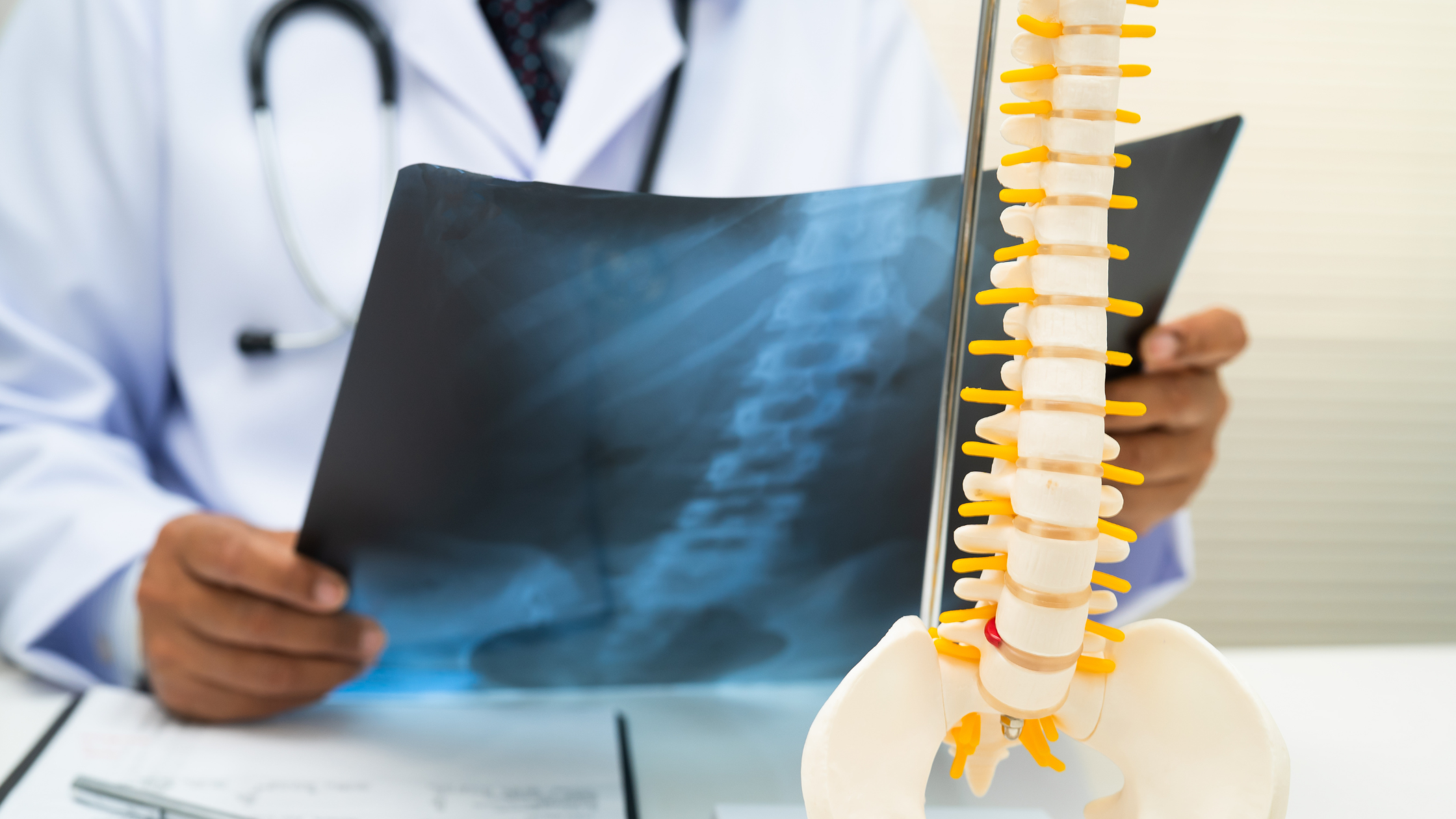
Spine pain is one of the most common reasons people seek medical care. Whether the discomfort is located in the neck, mid-back, or lower back, identifying the exact source of pain can sometimes be challenging. Muscles, joints, discs, nerves, ligaments, and bones can all contribute to symptoms, and many spinal conditions produce similar types of pain.
Diagnostic imaging plays an important role in helping physicians better understand what may be causing spine pain. Imaging studies provide detailed pictures of the structures inside the spine, allowing specialists to evaluate injuries, degeneration, inflammation, and other abnormalities that may not be visible during a physical exam alone.
Why Identifying the Pain Source Matters
Effective treatment begins with an accurate diagnosis. Spine pain can result from a wide variety of conditions, including:
- Herniated discs
- Degenerative disc disease
- Spinal stenosis
- Arthritis of the facet joints
- Compression fractures
- Pinched nerves
- Sacroiliac (SI) joint dysfunction
- Muscle or ligament injuries
Because symptoms often overlap, identifying the underlying cause is essential for creating a personalized treatment plan. Diagnostic imaging helps physicians confirm or rule out certain conditions and determine the most appropriate next steps.
Common Types of Diagnostic Imaging for Spine Pain
X-Rays
X-rays are often one of the first imaging studies ordered for spine pain. They provide clear images of the bones and alignment of the spine.
X-rays may help identify:
- Arthritis
- Fractures
- Bone spurs
- Spinal alignment problems
- Degenerative changes
Although X-rays do not show soft tissues like discs or nerves in detail, they are useful for evaluating structural issues and screening for more serious abnormalities.
MRI (Magnetic Resonance Imaging)
MRI is one of the most valuable tools for evaluating spine pain because it provides detailed images of soft tissues, including discs, nerves, muscles, and ligaments.
MRIs can help diagnose:
- Herniated or bulging discs
- Nerve compression
- Spinal stenosis
- Inflammation
- Disc degeneration
- Spinal cord abnormalities
MRI is especially useful when patients experience symptoms such as numbness, tingling, weakness, or radiating pain into the arms or legs.
CT Scans (Computed Tomography)
CT scans provide detailed cross-sectional images of the spine and are particularly helpful for evaluating bones and complex spinal anatomy.
CT imaging may be used to identify:
- Fractures
- Bone abnormalities
- Spinal instability
- Arthritic changes
In some cases, CT scans are combined with contrast dye in a procedure called a CT myelogram to better visualize nerve compression.
Diagnostic Ultrasound
Although ultrasound is not commonly used for deep spinal structures, it can help evaluate certain soft tissue conditions and guide precision injections around the spine.
Ultrasound guidance may improve accuracy during:
- Joint injections
- Trigger point injections
- Nerve blocks
Bone Scans
Bone scans are sometimes used when physicians suspect fractures, infections, tumors, or inflammation that may not appear clearly on standard imaging studies.
These scans can help detect areas of increased bone activity that may indicate an underlying problem.
Imaging Is Only One Part of the Diagnosis
While diagnostic imaging is extremely valuable, imaging results alone do not always explain a patient’s pain. Many people may show disc degeneration or arthritis on imaging even if they have no symptoms at all.
That is why physicians combine imaging findings with:
- Physical examinations
- Medical history
- Symptom patterns
- Functional limitations
- Diagnostic injections when necessary
A comprehensive evaluation helps ensure that treatment targets the true source of pain rather than incidental findings.
The Role of Diagnostic Injections
In some cases, imaging identifies several possible pain generators. Diagnostic injections can help pinpoint the exact structure responsible for symptoms.
Examples include:
- Facet joint injections
- Medial branch blocks
- Epidural steroid injections
- SI joint injections
If pain improves significantly after a targeted injection, physicians gain valuable information about which structure is causing symptoms.
How Accurate Diagnosis Improves Treatment
When the source of spine pain is identified correctly, treatment can become more focused and effective. Depending on the diagnosis, patients may benefit from:
- Physical therapy
- Medication management
- Minimally invasive injections
- Radiofrequency ablation
- Regenerative medicine treatments
- Lifestyle modifications
- Surgical consultation when necessary
Accurate imaging and diagnosis can also help patients avoid unnecessary treatments or procedures.
When to Seek Medical Evaluation for Spine Pain
Patients should consider seeking medical evaluation if spine pain:
- Persists for several weeks
- Radiates into the arms or legs
- Causes numbness or weakness
- Interferes with daily activities
- Worsens over time
- Develops after an injury
Early evaluation can help identify underlying problems before symptoms become more severe.
Final Thoughts
Diagnostic imaging plays a critical role in understanding the source of spine pain and guiding effective treatment decisions. From X-rays and MRIs to CT scans and diagnostic injections, these tools help physicians evaluate the complex structures of the spine and create individualized care plans.
If you are experiencing ongoing spine pain, a comprehensive evaluation that includes appropriate imaging may help identify the cause of your symptoms and support a more targeted path toward relief.