
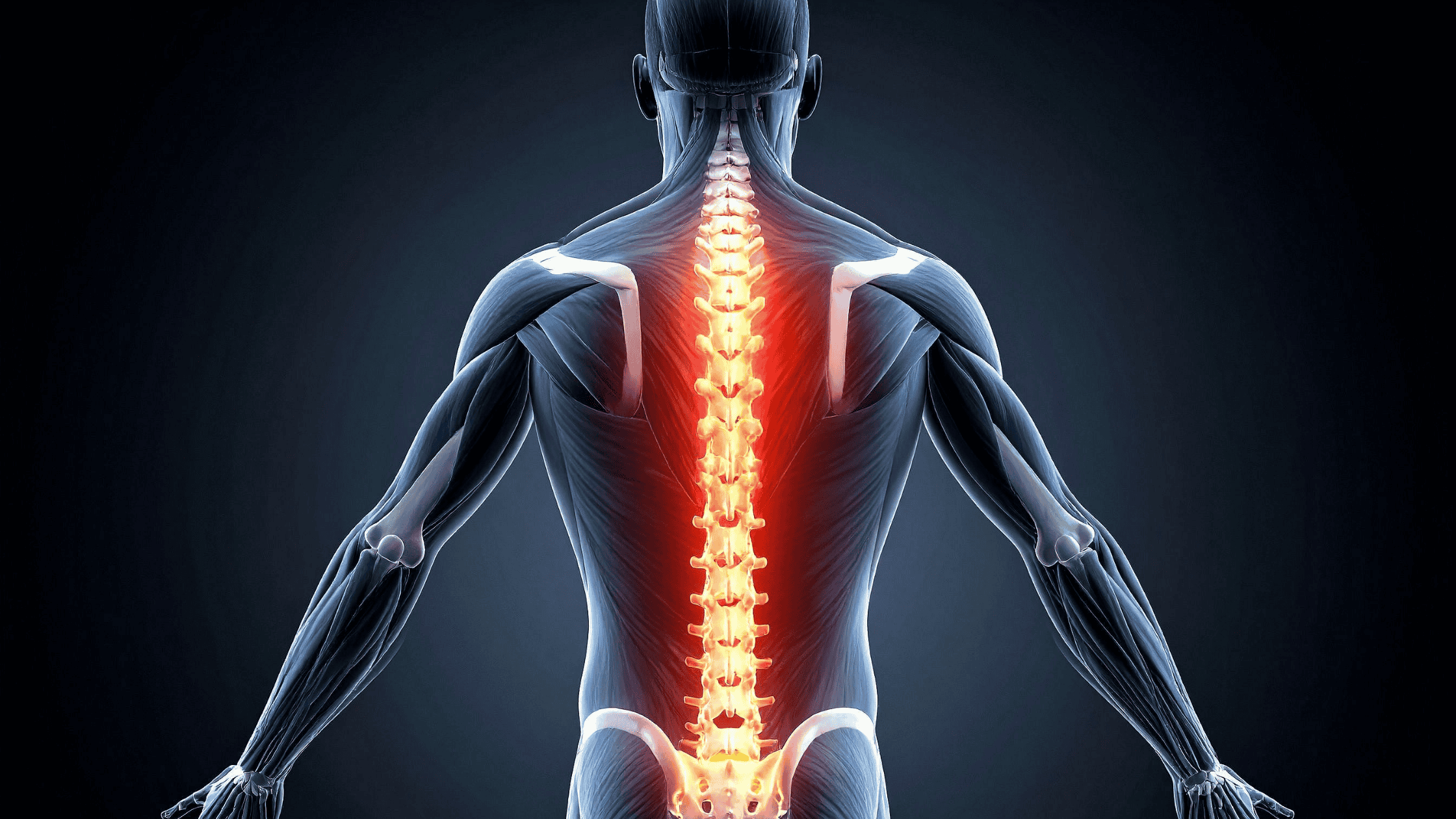
Chronic nerve pain can make even simple daily activities difficult. For many patients, pain persists despite medications, physical therapy, injections, or even surgery. When conservative treatments fail to provide lasting relief, spinal cord stimulation (SCS) may offer a modern, minimally invasive option to help manage chronic pain and improve quality of life.
Spinal cord stimulation has become an increasingly advanced treatment for patients suffering from persistent nerve-related pain conditions, particularly those involving the spine, legs, arms, or peripheral nerves. By using mild electrical impulses to interrupt pain signals before they reach the brain, SCS can help patients regain function and reduce reliance on pain medications.
What Is Spinal Cord Stimulation?
Spinal cord stimulation is a therapy that uses a small implanted device to deliver low-level electrical signals near the spinal cord. These electrical pulses modify or block pain signals traveling to the brain.
The system typically includes:
- Thin wires called leads placed near the spinal cord
- A small battery-powered pulse generator implanted under the skin
- A remote control that allows the patient to adjust settings
Modern spinal cord stimulators are highly customizable and can target specific pain patterns. Some newer systems provide stimulation that patients do not even feel, while others create a gentle tingling sensation that replaces pain.
How Spinal Cord Stimulation Works
Pain signals travel through nerves and the spinal cord before reaching the brain. A spinal cord stimulator interferes with these signals, reducing the brain’s perception of pain.
Many patients describe the results as a noticeable decrease in burning, tingling, shooting, or radiating nerve pain. SCS does not cure the underlying condition, but it can significantly reduce pain levels and improve daily functioning.
Spinal cord stimulation is most commonly used for chronic neuropathic pain, meaning pain caused by nerve irritation or damage.
Conditions Commonly Treated With Spinal Cord Stimulation
Spinal cord stimulation may be recommended for patients experiencing:
- Chronic back or neck pain
- Failed back surgery syndrome (persistent pain after spine surgery)
- Sciatica or lumbar radiculopathy
- Complex Regional Pain Syndrome (CRPS)
- Peripheral neuropathy
- Chronic leg or arm pain
- Nerve injury pain
- Post-surgical nerve pain
Patients who have already tried medications, injections, physical therapy, or surgery without adequate relief may be candidates for this therapy.
The Spinal Cord Stimulation Trial
One of the major advantages of spinal cord stimulation is that patients can test the therapy before committing to permanent implantation.
During the trial phase:
- Temporary leads are placed near the spinal cord using minimally invasive techniques.
- The patient uses the device for several days.
- Pain relief and functional improvement are evaluated.
If the patient experiences meaningful relief, a permanent system may then be implanted.
This trial process helps ensure that spinal cord stimulation is likely to provide benefit before a long-term device is placed.
What Happens During the Implant Procedure?
The permanent implantation procedure is typically performed on an outpatient basis using minimally invasive techniques.
During the procedure:
- Leads are positioned near the spinal cord
- The pulse generator is implanted under the skin, often near the lower back or buttock area
- The system is programmed to match the patient’s pain pattern
Most patients return home the same day and gradually resume normal activities over the following weeks.
Recovery times are generally shorter than traditional spine surgery recovery periods.
Benefits of Spinal Cord Stimulation
Reduced Pain Levels
Many patients experience significant improvement in chronic nerve pain symptoms, particularly radiating pain in the arms or legs.
Decreased Dependence on Medications
Some patients are able to reduce their reliance on opioid medications or other pain medications after successful SCS treatment.
Improved Function and Mobility
Pain reduction often allows patients to return to activities that were previously difficult, including walking, exercising, or sleeping more comfortably.
Reversible and Adjustable
Unlike many surgical procedures, spinal cord stimulation is reversible. The device settings can also be adjusted over time as pain patterns change.
Minimally Invasive Approach
Compared to major spine surgery, spinal cord stimulation involves smaller incisions and shorter recovery periods.
Advancements in Modern Spinal Cord Stimulation
Technology has significantly improved spinal cord stimulation systems in recent years.
Newer systems may include:
- High-frequency stimulation
- Burst stimulation patterns
- MRI-compatible devices
- Rechargeable batteries
- Wireless programming options
- More precise pain targeting
These advancements allow physicians to personalize treatment and improve patient comfort.
Who Is a Good Candidate?
Not every patient with chronic pain is a candidate for spinal cord stimulation. A thorough evaluation is important to determine whether SCS is appropriate.
Ideal candidates often include patients who:
- Have chronic nerve-related pain lasting several months or longer
- Have not responded adequately to conservative treatment
- Want to avoid additional major surgery
- Are medically stable for a minimally invasive procedure
- Have pain that significantly interferes with daily life
Psychological screening may also be part of the evaluation process, as emotional health can influence pain management outcomes.
Risks and Considerations
As with any medical procedure, spinal cord stimulation carries potential risks.
Possible complications may include:
- Infection
- Lead movement
- Device malfunction
- Temporary discomfort at the implant site
- Need for future device adjustments or battery replacement
However, serious complications are relatively uncommon when the procedure is performed by experienced specialists.
A Personalized Approach to Chronic Pain Relief
Chronic nerve pain can be physically and emotionally exhausting, especially when multiple treatments have failed to provide lasting relief. Spinal cord stimulation offers a modern, evidence-based option that may help carefully selected patients reduce pain and improve overall quality of life.
Because every patient’s condition is unique, treatment decisions should be based on a comprehensive evaluation, imaging studies, prior treatment history, and individual goals.
Conclusion
Spinal cord stimulation has transformed the way chronic nerve pain is managed for many patients. By interrupting pain signals before they reach the brain, this minimally invasive therapy can provide meaningful relief when other treatments have not succeeded.
For patients struggling with persistent nerve pain affecting the back, neck, arms, or legs, spinal cord stimulation may offer a path toward improved comfort, mobility, and daily function. Consulting with a qualified pain management or spine specialist can help determine whether this advanced treatment option is appropriate.