
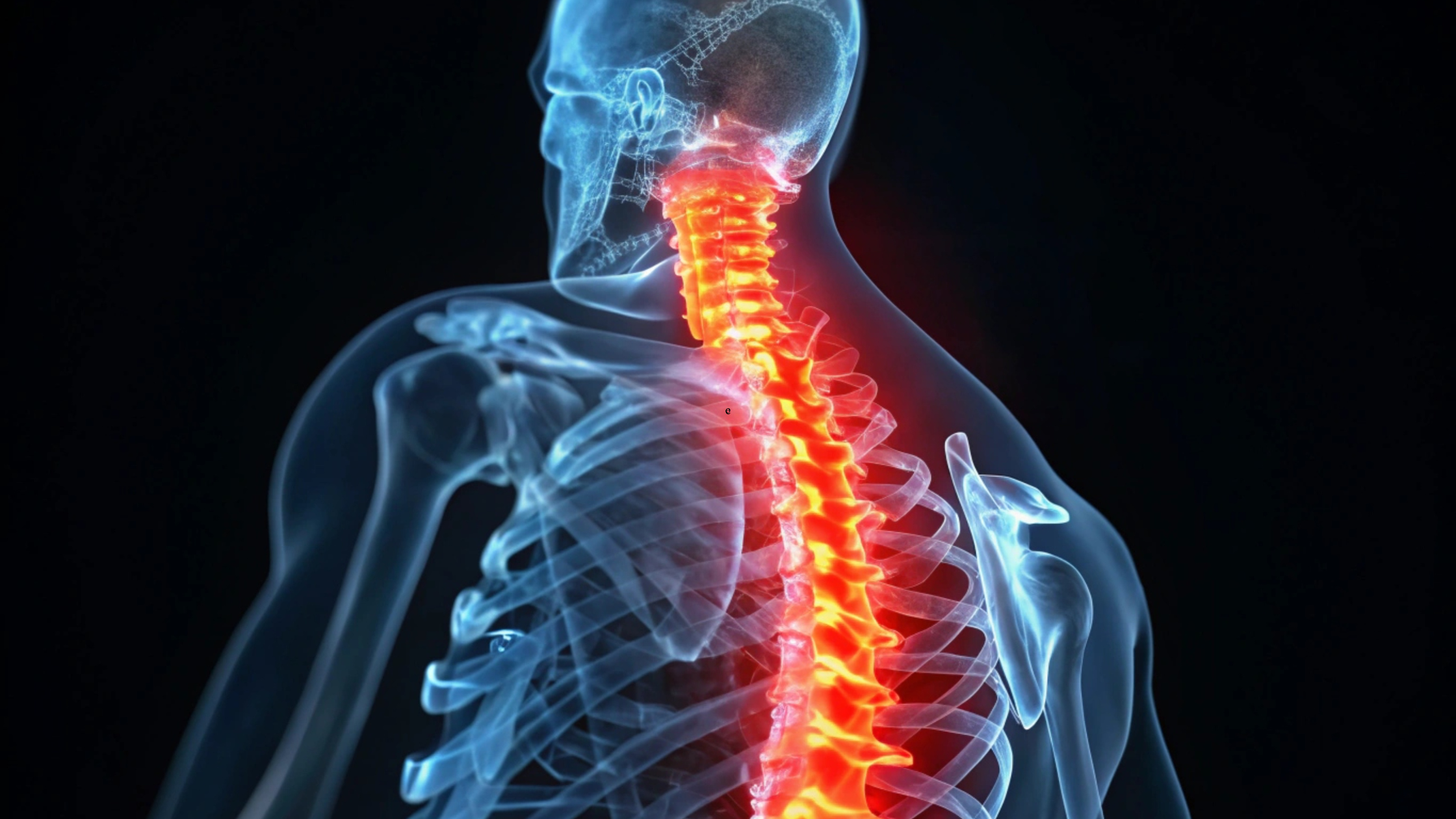
Chronic spine pain can affect nearly every aspect of daily life—from sitting and sleeping to working and staying active. For many patients, traditional treatments like medications, injections, or even surgery may not fully address the underlying cause of pain. Regenerative medicine for spine care offers a promising, non-surgical approach designed to support the body’s natural healing processes rather than simply masking symptoms.
What Is Regenerative Medicine?
Regenerative medicine is a medical approach that focuses on repairing, restoring, or supporting damaged tissues using the body’s own biological healing mechanisms. In spine care, regenerative therapies are commonly used to address conditions affecting discs, joints, ligaments, and other soft tissues that contribute to back and neck pain.
Rather than removing tissue or fusing spinal segments, regenerative treatments aim to improve the health and function of existing structures.
Common Regenerative Treatments Used in Spine Care
Several regenerative therapies are used in spine-related pain management, depending on the patient’s condition and goals.
Platelet-Rich Plasma (PRP)
PRP is derived from a patient’s own blood and contains a concentrated amount of platelets and growth factors. When injected into targeted spinal structures—such as facet joints or surrounding soft tissues—PRP may help support tissue repair and reduce inflammation.
Cell-Based Therapies
Cell-based regenerative treatments use biologic material sourced from the patient. These therapies are intended to support healing in degenerative spinal conditions by improving the local environment within injured tissues.
Biologic Injections
Biologic substances can be used to promote a healthier inflammatory response and encourage tissue recovery, particularly in cases of disc degeneration or joint-related spine pain.
Conditions That May Benefit from Regenerative Spine Care
- Degenerative disc disease
- Facet joint arthritis
- Disc-related back or neck pain
- Ligament or soft tissue instability
- Chronic spine pain not responding to conservative care
It is important to note that regenerative treatments are not appropriate for every patient, and outcomes can vary based on individual health factors and the severity of degeneration.
Potential Benefits of Regenerative Spine Treatments
- Minimally invasive procedures
- Use of the patient’s own biologic material in many cases
- Reduced reliance on long-term medications
- Shorter recovery times compared to surgery
- Focus on healing rather than symptom suppression
These therapies are often part of a broader, multimodal pain management plan that may include physical therapy, lifestyle modifications, and interventional treatments.
Safety and Expectations
While many regenerative therapies are supported by growing clinical evidence, not all treatments are universally standardized. Patients should seek care from experienced medical providers who follow established safety protocols and comply with guidance from organizations such as the FDA.
A thorough evaluation—including imaging, medical history, and functional assessment—is essential to determine whether regenerative spine care is an appropriate option.
Is Regenerative Medicine Right for Your Spine Pain?
Regenerative medicine may be an option for patients looking to avoid surgery or reduce dependence on medications while addressing the root causes of spine pain. A personalized treatment plan, guided by a qualified spine or pain management specialist, is key to achieving the best possible outcome.
Final Thoughts
Advancements in regenerative medicine are changing how spine care is approached—placing greater emphasis on healing, preservation, and long-term function. For the right patient, regenerative therapies may offer a meaningful path toward improved comfort and mobility without surgery.
If you are living with chronic back or neck pain, consult a qualified spine care specialist to explore whether regenerative medicine could be part of your personalized treatment plan.