
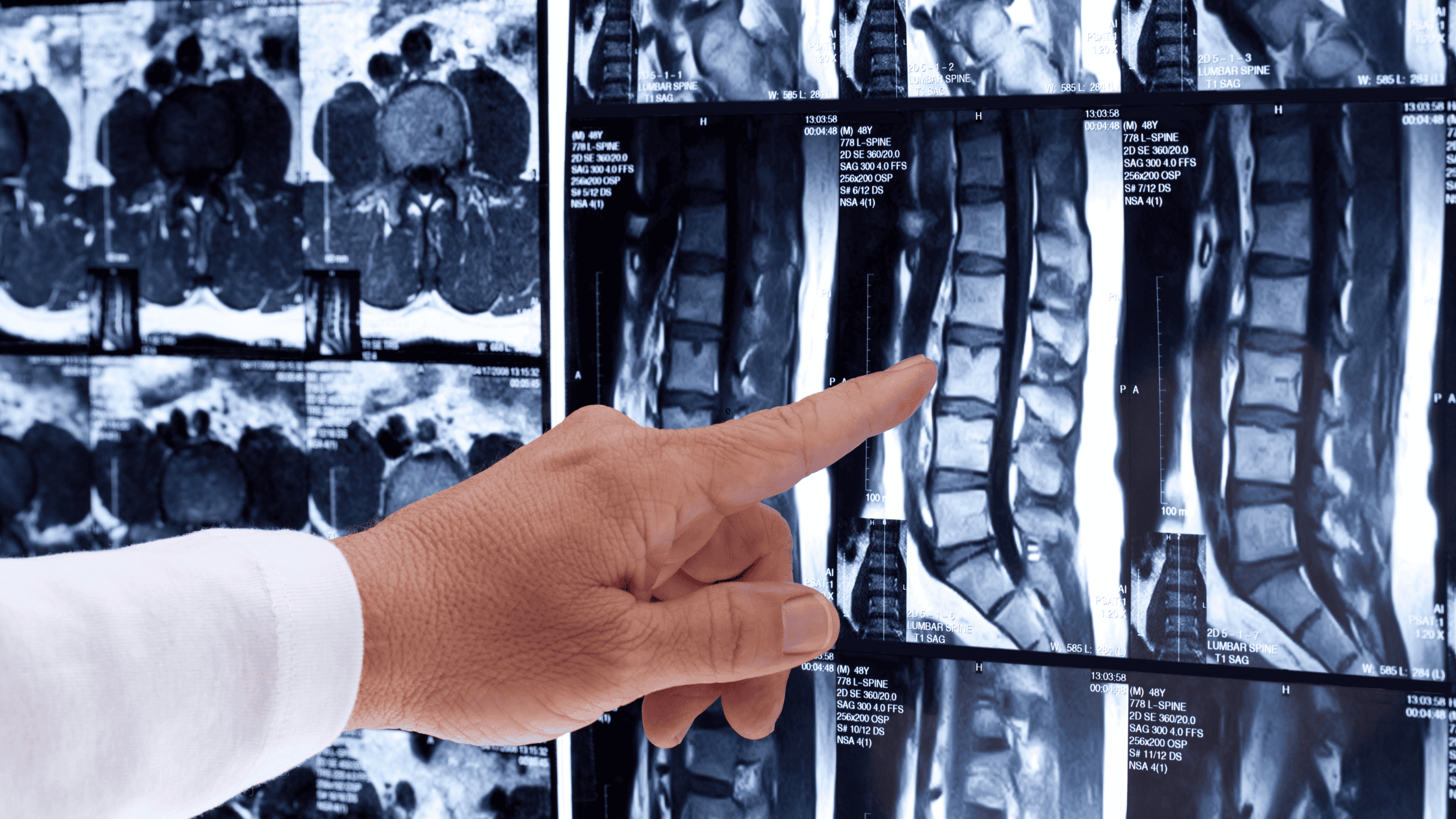
Back pain is one of the most common reasons people seek medical care, yet pinpointing the exact cause isn’t always straightforward. While physical exams and patient history provide valuable insight, imaging tools often play a critical role in confirming a diagnosis and guiding effective treatment. Understanding the different imaging options available can help patients feel more confident and informed during their care journey.
Why Imaging Matters for Back Pain
Back pain can stem from many sources, including muscle strain, disc degeneration, nerve compression, spinal instability, or fractures. Imaging helps clinicians visualize structures that cannot be assessed through physical examination alone, allowing them to:
- Identify the root cause of pain
- Confirm or rule out serious conditions
- Plan targeted treatment strategies
- Monitor disease progression or healing
Not every case of back pain requires imaging, but when symptoms persist, worsen, or include neurological changes, diagnostic imaging becomes essential.
X-Rays: A First-Line Tool
X-rays are often the first imaging test ordered for back pain. They are quick, widely available, and useful for identifying:
- Spinal alignment issues
- Bone fractures
- Degenerative changes such as arthritis
- Structural abnormalities
However, X-rays do not show soft tissues like discs, muscles, or nerves, which limits their ability to detect certain conditions.
MRI (Magnetic Resonance Imaging)
MRI is one of the most powerful tools for diagnosing back problems. It provides detailed images of both bone and soft tissue without using radiation. MRI is commonly used to detect:
- Herniated or bulging discs
- Nerve compression
- Spinal stenosis
- Inflammation or infection
- Tumors or disc degeneration
Because of its high level of detail, MRI is especially helpful for patients experiencing persistent pain, numbness, tingling, or weakness.
CT Scans (Computed Tomography)
CT scans use X-rays combined with computer processing to create detailed cross-sectional images of the spine. They are particularly useful for:
- Evaluating complex bone structures
- Detecting fractures not visible on standard X-rays
- Assessing spinal alignment and stability
CT scans may be used when MRI is not an option or when precise bone detail is needed.
Ultrasound Imaging
While less commonly used for spine evaluation, ultrasound can be helpful in assessing:
- Muscle and soft tissue injuries
- Inflammation
- Guided injections for pain management
Ultrasound is radiation-free and allows real-time visualization, making it valuable in certain clinical scenarios.
When Imaging Is (and Isn’t) Necessary
Imaging is most appropriate when back pain is accompanied by red flags such as:
- Severe or worsening pain
- Neurological symptoms (numbness, weakness, loss of bladder control)
- Trauma or injury
- Suspected infection or cancer
For mild or short-term back pain, conservative care may be recommended before imaging is considered.
Using Imaging to Guide Treatment
Imaging results help providers develop personalized treatment plans that may include physical therapy, medications, interventional procedures, or minimally invasive treatments. Accurate imaging ensures that care is focused on the true source of pain rather than just managing symptoms.
Final Thoughts
Imaging tools are a valuable part of diagnosing and managing back problems, but they work best when combined with a thorough clinical evaluation. If back pain is interfering with daily life or not improving with time, diagnostic imaging can provide clarity, direction, and peace of mind on the path to recovery.