
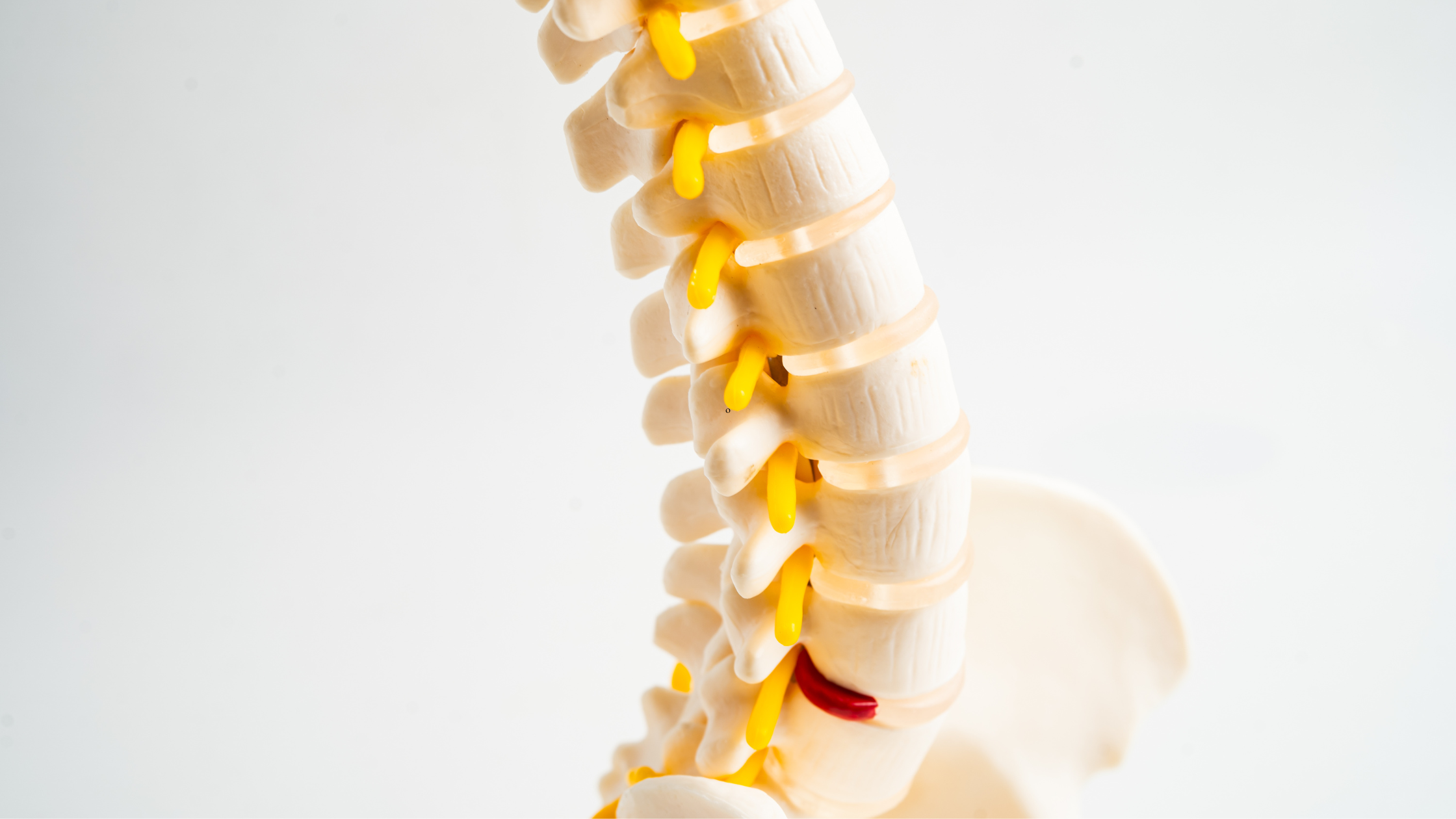
Degenerative Disc Disease (DDD) is one of the most common causes of chronic back and neck pain—especially as we age. While the name can sound alarming, DDD is not technically a “disease.” Instead, it describes disc wear-and-tear that happens over time. For some people, this natural aging process becomes painful, limiting mobility and affecting daily life.
Understanding what causes DDD, what symptoms to watch for, and what treatment options exist can help you take control of your spine health before symptoms worsen.
What Is Degenerative Disc Disease?
Your spine is made of a stack of bones (vertebrae) separated by soft discs that act as shock absorbers. These discs allow your spine to bend, twist, and move comfortably.
Over time, discs naturally lose hydration and height. When this breakdown accelerates or becomes painful, it’s referred to as degenerative disc disease.
Common changes seen in DDD include:
-
Disc thinning or flattening
-
Cracks in the outer disc layer
-
Loss of elasticity
-
Herniation or bulging
-
Bone spur formation
These changes can narrow the space around the nerves, causing irritation or compression.
Common Symptoms
Symptoms vary depending on which discs are affected, but patients commonly report:
-
Chronic back or neck pain
-
Pain that worsens with sitting, bending, lifting, or twisting
-
Pain that improves with walking or changing position
-
Muscle tightness or spasms
-
Radiating pain into the arms or legs if nerve roots are involved
-
Reduced flexibility or stiffness
Flare-ups can come and go, lasting days, weeks, or longer.
What Causes DDD?
Several factors contribute to disc degeneration:
-
Aging – the most common cause
-
Repetitive stress or heavy lifting
-
Previous spine injury
-
Genetics
-
Poor posture or ergonomics
-
Obesity, which increases spinal load
Although age plays a major role, many people have disc degeneration on imaging without pain. Symptoms arise when inflammation or nerve irritation occurs.
Diagnosis
A pain specialist evaluates degenerative disc disease using:
-
Patient history and symptom patterns
-
Physical exam to assess motion, strength, and nerve function
-
Imaging such as X-ray, MRI, or CT when needed
The goal is to identify which disc or nerve is contributing to pain and rule out other causes.
Non-Surgical Treatment Options
Most people improve without surgery. Treatment focuses on reducing inflammation, improving mobility, and stabilizing the spine.
Conservative & rehabilitative care:
-
Physical therapy
-
Core strengthening
-
Posture and ergonomic coaching
-
Anti-inflammatory medications
-
Heat and cold therapy
-
Activity modification
Interventional pain treatments:
-
Epidural steroid injections
-
Medial branch blocks or facet joint injections
-
Radiofrequency ablation (RFA) for long-lasting relief
-
Regenerative therapies such as platelet-rich plasma (PRP) or stem-cell-based injections (when appropriate)
These minimally invasive options help calm irritated nerves and support better function.
When Is Surgery Considered?
Surgery is reserved for cases where pain is severe, conservative treatments fail, or nerve compression leads to weakness. Possible procedures include:
-
Microdiscectomy
-
Artificial disc replacement
-
Spinal fusion
Most patients do not require surgery and respond well to non-surgical management.
Living With Degenerative Disc Disease
DDD is manageable. With the right combination of lifestyle changes, therapeutic exercises, and medical treatments, most patients lead active, pain-controlled lives.
Tips that help long-term spine health include:
-
Staying active with low-impact exercise
-
Avoiding prolonged sitting
-
Strengthening the core and back muscles
-
Practicing proper lifting techniques
-
Maintaining a healthy weight
If chronic back or neck pain is affecting your quality of life, a pain specialist can help create a personalized plan to treat symptoms at the source—not just cover them up.