
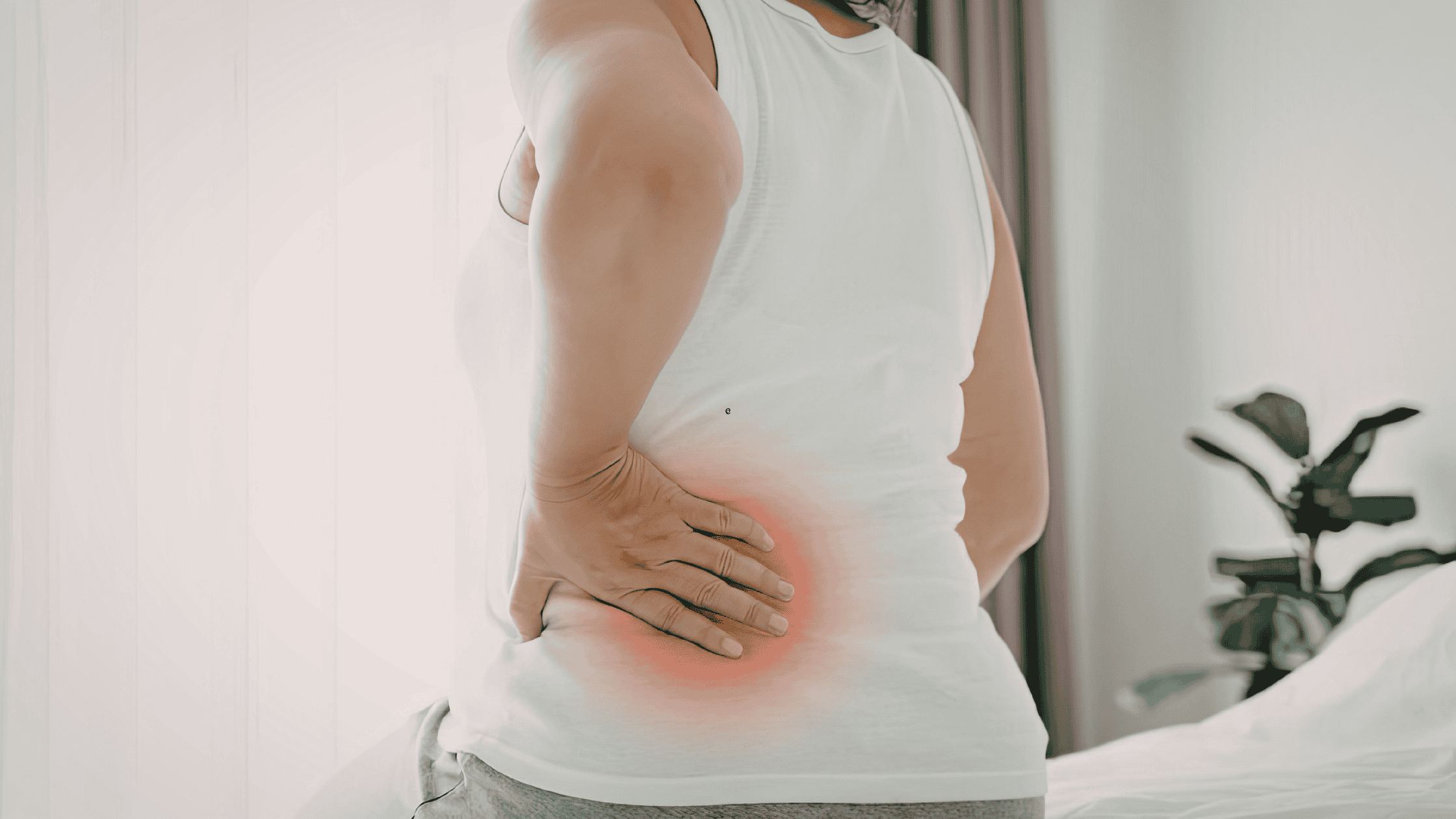
Back and neck pain are incredibly common. In fact, most people will experience spine pain at some point in their lives—and in many cases, it’s uncomfortable but not dangerous. Muscle strain, arthritis, disc degeneration, or minor injuries are often to blame and can usually be managed with conservative care.
However, there are situations where spine pain is more than just an ache. Certain symptoms can signal a medical emergency that requires immediate attention. Knowing when to seek urgent care can protect your long-term health—and in some cases, prevent permanent damage.
Why Some Spine Pain Is Serious
The spine protects the spinal cord and major nerves that control movement, sensation, and vital bodily functions. When these structures are compressed, inflamed, infected, or injured, the consequences can escalate quickly.
Emergency spine conditions are less common, but they demand fast action to prevent neurological injury or other serious complications.
Red Flags That Require Immediate Medical Attention
If you or a loved one experiences spine pain along with any of the following symptoms, seek emergency care right away:
1. Sudden Loss of Bowel or Bladder Control
Inability to control urination or bowel movements—especially when combined with low back pain—may be a sign of cauda equina syndrome, a rare but serious condition involving compression of spinal nerves.
This is a medical emergency. Delayed treatment can lead to permanent nerve damage.
2. Numbness or Weakness in the Legs or Arms
Progressive weakness, heaviness, or numbness in the arms or legs may indicate nerve or spinal cord compression. Symptoms may include:
- Difficulty walking
- Dragging a foot
- Loss of hand coordination
- Tingling that worsens rapidly
Sudden neurological changes should never be ignored.
3. Severe Pain After Trauma
Spine pain following a fall, car accident, sports injury, or other trauma should be evaluated immediately—especially if the pain is severe, worsening, or accompanied by:
- Difficulty moving
- Visible deformity
- Numbness or weakness
Even if pain seems mild at first, spinal injuries can worsen over time.
4. Fever With Back or Neck Pain
Back pain paired with fever, chills, or unexplained illness could indicate a spinal infection, such as discitis or an epidural abscess. These infections can progress rapidly and may require urgent treatment.
5. Pain That Wakes You at Night or Is Unrelenting
Pain that is constant, severe, and not relieved by rest—especially if it wakes you from sleep—can be a warning sign of a serious underlying condition, including infection or tumor.
6. Sudden, Severe Neck Pain With Neurological Symptoms
Severe neck pain accompanied by headache, vision changes, dizziness, difficulty speaking, or weakness may be related to a vascular or neurological emergency and requires immediate evaluation.
What to Do If You’re Unsure
If spine pain feels “different” than usual, is rapidly worsening, or is paired with new neurological symptoms, it’s better to err on the side of caution. Seeking emergency care does not mean something catastrophic is guaranteed—but it ensures dangerous conditions are ruled out quickly.
When Spine Pain Is Not an Emergency
Most spine pain is not life-threatening. Ongoing discomfort from arthritis, disc issues, posture problems, or overuse injuries can often be managed with non-emergency care such as physical therapy, interventional pain treatments, and lifestyle modifications.
The key difference is neurological change, systemic symptoms, or sudden loss of function.
The Importance of Early Evaluation
Prompt evaluation of concerning spine symptoms can:
- Prevent permanent nerve damage
- Reduce the need for invasive interventions
- Improve long-term outcomes
- Provide peace of mind when serious conditions are ruled out
Final Thoughts
Spine pain is common—but emergencies are defined by more than pain alone. Sudden weakness, loss of bladder or bowel control, fever, trauma, or rapid neurological changes should never be ignored.
If you’re unsure whether your symptoms are urgent, seeking medical evaluation right away is always the safest choice.