
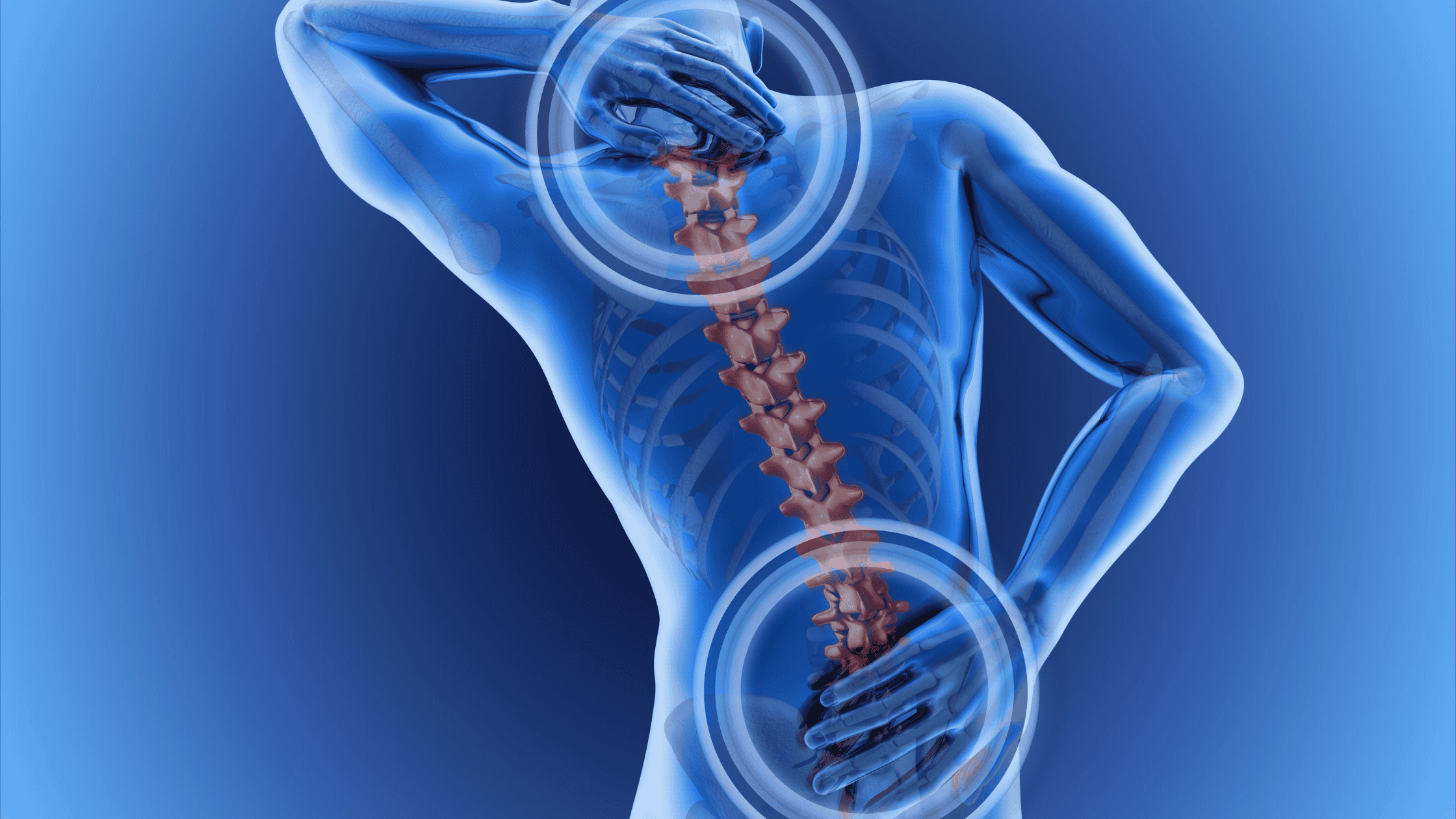
Neck and back pain can have many causes, but pain that travels from the spine into an arm or leg may indicate irritation or inflammation involving a spinal nerve root. When symptoms persist despite conservative treatment, a nerve root block may be considered as both a diagnostic tool and a treatment option.
But when is a nerve root block recommended for neck or back pain? The answer depends on the source of the pain, the severity of symptoms, imaging findings, and how a patient responds to other treatments. Understanding how nerve root blocks work can help patients recognize when this minimally invasive procedure may be appropriate.
What Is a Nerve Root Block?
A nerve root block is a minimally invasive injection used to deliver medication around a specific spinal nerve root. The injection typically contains a local anesthetic and, in some cases, a corticosteroid intended to reduce inflammation.
What is a nerve root block? A nerve root block targets a particular nerve as it exits the spine, rather than treating the entire area of the neck or back. This targeted approach can help determine whether a specific nerve is responsible for a patient’s symptoms while potentially providing temporary pain relief.
What Types of Pain Can a Nerve Root Block Treat?
What types of pain can a nerve root block treat? Nerve root blocks are generally considered when pain appears to follow the path of an irritated spinal nerve. In the lower back, this may cause sciatica, with pain traveling through the buttock and into the thigh, calf, or foot. In the neck, cervical nerve irritation can cause pain, numbness, tingling, or weakness that extends into the shoulder, arm, or hand.
These symptoms are sometimes referred to as radicular pain. They can occur when a nerve root becomes compressed or inflamed because of conditions such as a herniated disc, bone spurs, degenerative disc changes, or spinal narrowing.
When Is a Nerve Root Block Recommended for Back Pain?
When is a nerve root block recommended for back pain? A lumbar nerve root block may be recommended when lower back pain is accompanied by leg symptoms that suggest irritation of a specific lumbar nerve. It may be considered when symptoms have not improved adequately with conservative approaches such as physical therapy, activity modification, or other nonsurgical treatments.
A nerve root block may also be useful when diagnostic testing suggests a particular nerve is involved. For example, if MRI findings show a disc herniation affecting a nerve root and the patient’s symptoms match that nerve’s distribution, a targeted injection may help confirm whether that nerve is contributing to the pain.
When Is a Nerve Root Block Recommended for Neck Pain?
When is a nerve root block recommended for neck pain? A cervical nerve root block may be considered when neck pain extends into the shoulder, arm, or hand and the pattern suggests cervical radiculopathy.
A herniated cervical disc, degenerative changes, or narrowing around the nerve can irritate a nerve root and produce symptoms beyond the neck itself. A targeted injection can sometimes reduce inflammation around the affected nerve and provide information about the source of the pain.
Because injections in the cervical spine require careful planning, physicians typically evaluate imaging studies, symptoms, medical history, and neurological findings before recommending the procedure.
Can a Nerve Root Block Help Identify the Source of Pain?
Can a nerve root block help identify the source of pain? Yes. One important purpose of a nerve root block is diagnostic. When several structures could potentially be contributing to pain, temporarily numbing a specific nerve can help determine whether that nerve is involved.
A significant reduction in the patient’s familiar pain following the injection may provide useful diagnostic information. However, the results are interpreted alongside the physical examination and imaging rather than being used as a standalone diagnosis.
How Is a Nerve Root Block Performed?
How is a nerve root block performed? The procedure is generally performed using image guidance, such as fluoroscopy or another appropriate imaging technique, to help the physician accurately position the needle near the targeted nerve root.
The skin is cleaned and numbed before the needle is carefully advanced to the treatment area. Contrast dye may be used to confirm positioning before medication is delivered. The procedure is typically performed on an outpatient basis, and patients are monitored afterward before leaving.
Because the injection is targeted, the goal is to place medication close to the nerve responsible for the patient’s symptoms rather than simply injecting medication into a general area of pain.
How Long Does Relief From a Nerve Root Block Last?
How long does relief from a nerve root block last? The duration of relief varies significantly from one patient to another. Some people experience short-term improvement, while others may have relief that lasts considerably longer.
The response can depend on the underlying condition, the degree of nerve irritation, and other individual factors. A nerve root block is not designed to permanently correct structural problems such as a disc herniation or spinal stenosis. Instead, it may reduce symptoms and inflammation while other treatments address the underlying condition.
Is a Nerve Root Block Right for Everyone?
Is a nerve root block right for everyone? No. The procedure may not be appropriate when symptoms do not suggest nerve-root involvement or when another condition better explains the pain. Certain medical conditions, medications, infections, or other factors may also affect whether an injection is appropriate.
A comprehensive evaluation is important before treatment. Imaging alone does not determine whether a nerve root block is necessary because abnormalities on an MRI or CT scan do not always cause symptoms.
What Should Patients Consider Before a Nerve Root Block?
What should patients consider before a nerve root block? Patients should understand the reason the procedure is being recommended, whether it is intended primarily for diagnosis, pain relief, or both, and what other treatment options are available.
A nerve root block may be one component of a broader treatment plan that can include physical therapy, exercise, activity modification, and other nonsurgical or surgical treatments when appropriate. The goal is not simply to mask pain, but to better understand its source and develop an effective strategy for managing the underlying condition.
When Should Someone Seek an Evaluation for Radiating Neck or Back Pain?
When should someone seek an evaluation for radiating neck or back pain? Persistent pain that travels into an arm or leg, particularly when accompanied by numbness, tingling, or weakness, warrants medical evaluation. These symptoms can indicate nerve irritation and may benefit from a more targeted diagnostic approach.
A nerve root block is not automatically the next step, but for appropriately selected patients, it can provide valuable diagnostic information and potentially meaningful pain relief. A qualified pain management or spine specialist can determine whether the symptoms, examination findings, and imaging support the use of a nerve root block.
Disclaimer
This article is for educational purposes only and is not a substitute for professional medical advice, diagnosis, or treatment. Treatment decisions should be made with a qualified healthcare professional based on an individual’s symptoms, medical history, examination, and diagnostic findings.