
Facet Joint Pain and Treatment Options
What Is Facet Joint Pain?
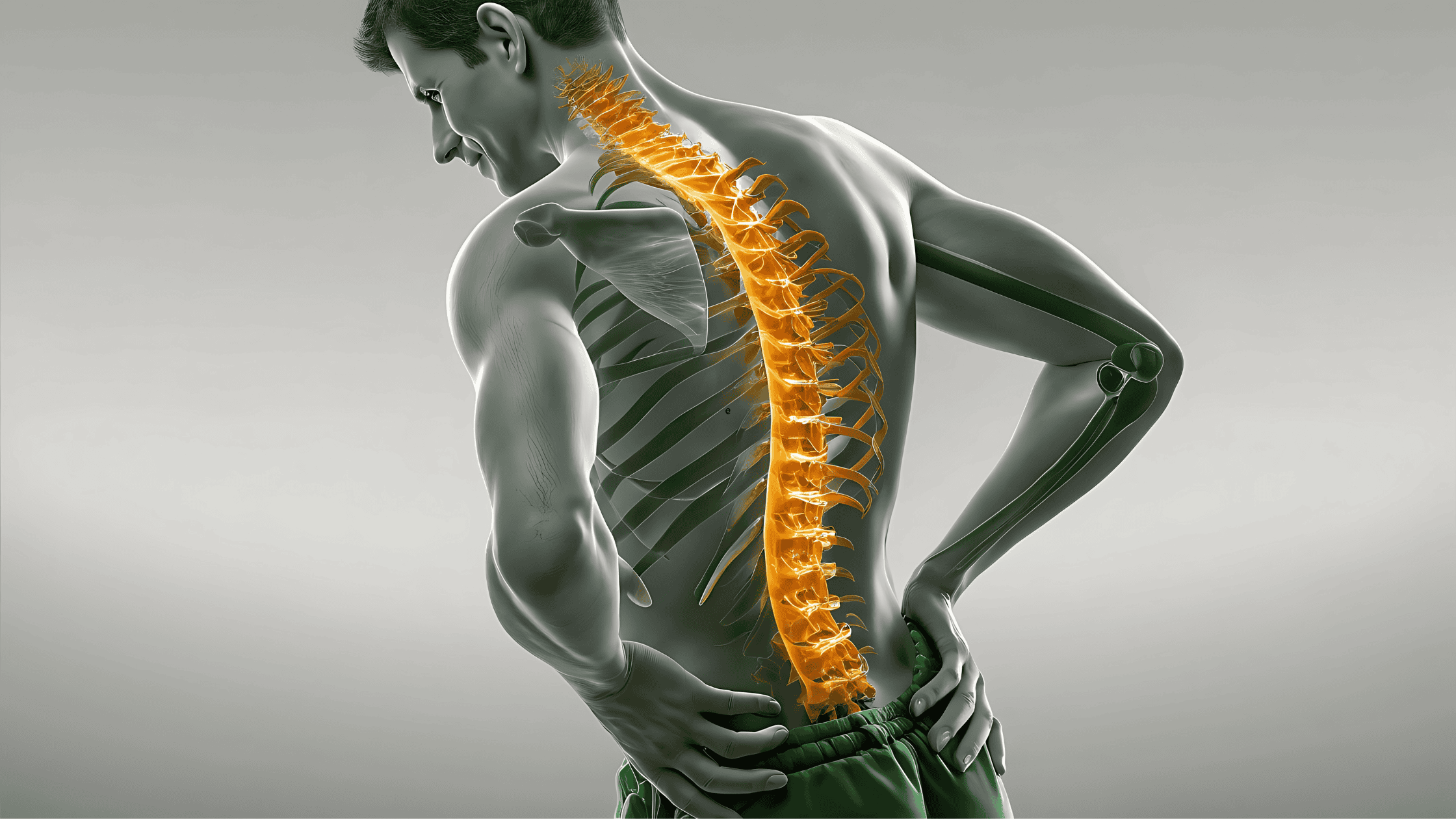
Facet joints are small stabilizing joints located at the back of the spine. They help control motion and provide flexibility in the neck, mid-back, and lower back. Each vertebra connects to the one above and below through a pair of facet joints.
When these joints become irritated or arthritic, they can cause localized spine pain—known as facet joint pain. This is a common but often overlooked source of chronic neck and back discomfort.
Common Causes of Facet Joint Pain
Facet joint pain typically develops due to wear and tear or mechanical stress on the spine. Common causes include:
- Degenerative arthritis from aging
- Repetitive spinal movements or overuse
- Poor posture or prolonged sitting
- Previous spine injuries or trauma
- Spinal instability or disc degeneration
As cartilage wears down, inflammation develops, leading to stiffness and pain with movement.
Symptoms of Facet Joint Pain
Symptoms vary based on the area of the spine involved but often include:
- Dull, aching pain in the neck or lower back
- Pain worsened by twisting, bending, or extending the spine
- Stiffness after inactivity or in the morning
- Pain that improves with rest
- Localized tenderness near the spine
Facet joint pain typically does not cause numbness or tingling in the arms or legs unless other structures are involved.
How Facet Joint Pain Is Diagnosed
Diagnosis begins with a thorough physical exam and review of symptoms. Imaging studies such as X-rays, CT scans, or MRI may show joint degeneration, but imaging alone cannot confirm pain source.
A diagnostic facet joint injection or medial branch block is often used to confirm whether the facet joints are the true cause of pain.
Treatment Options for Facet Joint Pain
Treatment is usually approached in a stepwise, non-surgical manner.
Conservative Treatments
- Activity modification
- Physical therapy to improve posture and stability
- Anti-inflammatory medications
- Heat or ice therapy
Injection-Based Treatments
- Facet joint injections to reduce inflammation
- Medial branch nerve blocks to interrupt pain signals
Advanced Interventional Treatments
- Radiofrequency ablation (RFA) for longer-lasting pain relief
- Image-guided precision treatments for improved outcomes
Many patients experience significant pain relief and improved mobility without surgery.
When Should You Seek Treatment?
If back or neck pain persists for weeks, limits daily activities, or does not improve with rest and therapy, further evaluation may be needed. Early treatment can prevent pain from becoming chronic and reduce reliance on long-term medications.
Final Thoughts
Facet joint pain is a common but highly treatable cause of spine discomfort. With proper diagnosis and targeted treatment, most patients can achieve meaningful relief and return to normal activity.
If you’re experiencing ongoing neck or back pain, a pain specialist can help determine whether facet joint treatment is right for you.