
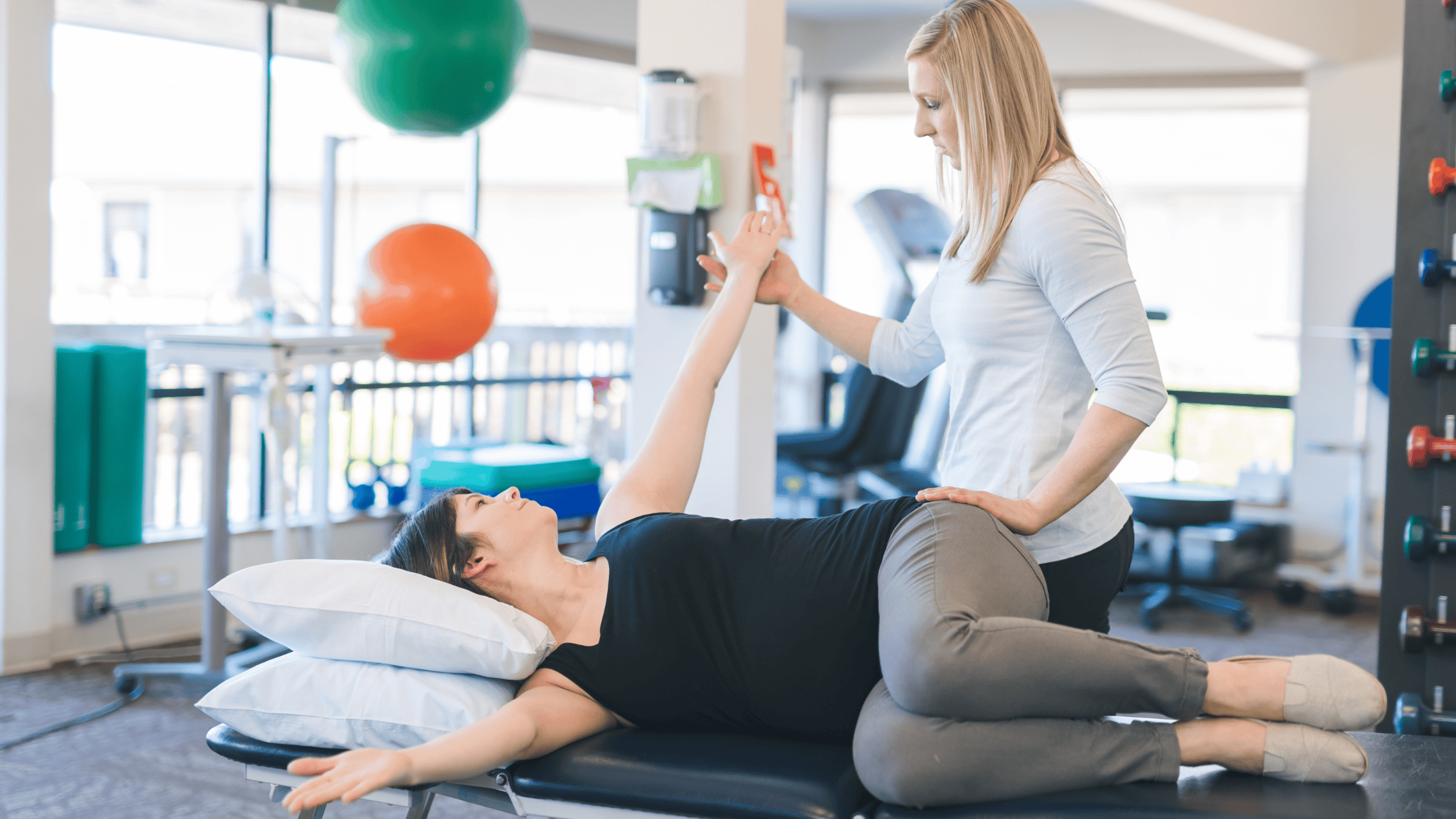
Living with spine-related pain can make even the simplest daily activities feel like a challenge. Tasks such as getting out of bed, bending to tie your shoes, sitting at a desk, or walking for extended periods can become uncomfortable or even debilitating. Fortunately, spine-focused physical therapy offers a highly effective, non-invasive way to restore function, reduce pain, and improve quality of life.
In this article, we’ll explore how spine physical therapy works and how it can help you move more freely and confidently in your daily routine.
Understanding Spine Physical Therapy
Spine physical therapy is a specialized form of rehabilitation designed to address conditions affecting the cervical (neck), thoracic (mid-back), and lumbar (lower back) regions. It focuses on improving mobility, strength, flexibility, and posture while reducing pain and inflammation.
A personalized treatment plan is typically developed based on your diagnosis, symptoms, and functional goals. This individualized approach ensures that therapy targets the root cause of your discomfort—not just the symptoms.
Restoring Mobility and Flexibility
One of the most immediate benefits of spine physical therapy is improved mobility. Pain and stiffness often limit how well your spine can move, which can affect everything from turning your head while driving to reaching overhead.
- Loosen tight muscles
- Improve joint flexibility
- Reduce stiffness
- Restore natural movement patterns
As mobility improves, patients often find it easier to perform daily activities with less discomfort.
Building Strength for Better Support
Weak core and back muscles are a common contributor to spine pain. Physical therapy focuses on strengthening these muscles to provide better support for the spine.
- Core muscles (abdominals and obliques)
- Lower back muscles
- Hip stabilizers
Improved muscle strength helps reduce strain on the spine, making activities like lifting, standing, and walking more manageable and less painful.
Improving Posture and Body Mechanics
Poor posture is a major factor in many spine conditions, especially for individuals who sit for long periods or perform repetitive movements. Over time, improper alignment can lead to chronic pain and decreased function.
- Sit, stand, and move with better alignment
- Reduce unnecessary stress on the spine
- Prevent further injury
These adjustments may seem small, but they can make a significant difference in how your body feels throughout the day.
Reducing Pain Without Medication
While medications can provide temporary relief, physical therapy addresses the underlying causes of pain. Techniques such as manual therapy, therapeutic exercise, and modalities like heat or electrical stimulation can help reduce inflammation and discomfort.
- Decreased reliance on pain medications
- Improved pain control
- Enhanced overall comfort
Enhancing Balance and Coordination
Spine conditions can sometimes affect balance and coordination, increasing the risk of falls—especially in older adults. Physical therapy incorporates exercises that improve stability and proprioception (your body’s awareness of its position in space).
- Increased confidence in movement
- Reduced fall risk
- Safer performance of daily tasks
Supporting Long-Term Function and Independence
Perhaps the most important benefit of spine physical therapy is its focus on long-term success. Patients are not only treated during sessions but are also educated on how to maintain progress at home.
- Customized home exercise programs
- Ergonomic recommendations
- Lifestyle modifications
These tools empower patients to take control of their health and maintain independence in their daily lives.
When to Consider Spine Physical Therapy
- Chronic neck or back pain
- Limited mobility or stiffness
- Difficulty performing daily activities
- Pain after an injury or surgery
- Poor posture or recurring muscle strain
Early intervention can prevent symptoms from worsening and help you return to normal activities more quickly.
Final Thoughts
Spine physical therapy is more than just exercise—it’s a comprehensive approach to improving how your body moves and functions every day. By addressing the root causes of pain, strengthening supportive muscles, and promoting proper movement patterns, physical therapy can significantly enhance your ability to perform daily tasks with ease.
If spine pain is interfering with your routine, seeking professional guidance could be the first step toward a more active, comfortable, and independent life.