
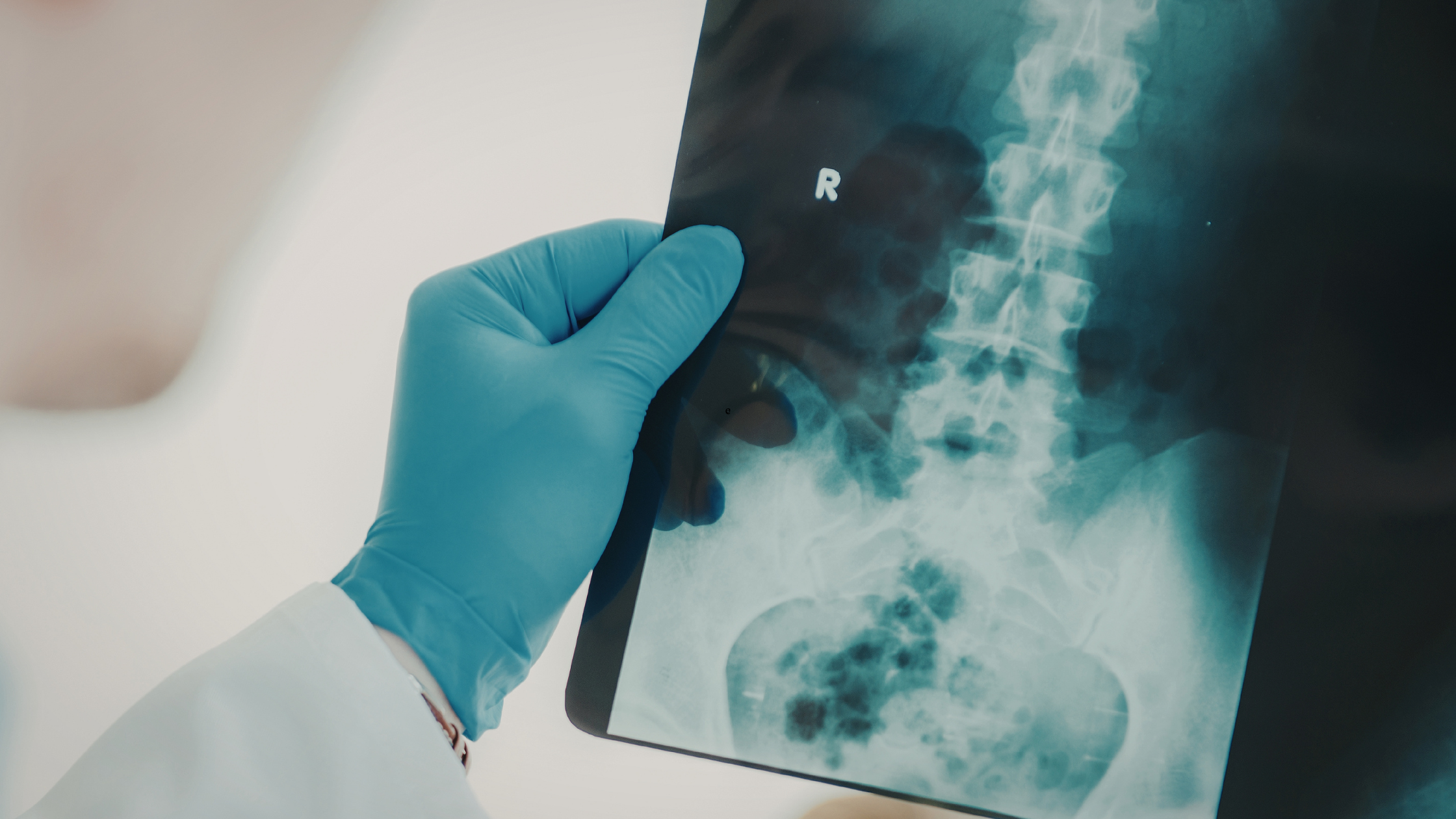
Chronic back and neck pain can significantly impact daily life, making even simple tasks difficult. For many years, traditional spine surgery often involved large incisions, extended hospital stays, and lengthy recovery periods. Today, advancements in medical technology have transformed spine care, allowing physicians to treat many spinal conditions using minimally invasive techniques.
Minimally invasive spine treatments are designed to relieve pain, restore function, and reduce recovery time while minimizing damage to surrounding tissues. If your provider has recommended a minimally invasive spine procedure, understanding what to expect can help ease anxiety and prepare you for a successful outcome.
What Are Minimally Invasive Spine Treatments?
Minimally invasive spine treatments use small incisions and specialized tools to diagnose and treat spinal conditions. Instead of cutting through large amounts of muscle and tissue, physicians use advanced imaging guidance, tiny surgical instruments, and sometimes endoscopic cameras to reach the affected area with greater precision.
These procedures are often performed in outpatient settings, meaning many patients can return home the same day. The goal is to provide effective pain relief while reducing surgical trauma and promoting faster healing.
Conditions Commonly Treated
Minimally invasive spine procedures can be used to treat a variety of conditions, including:
- Herniated or bulging discs
- Spinal stenosis
- Degenerative disc disease
- Facet joint arthritis
- Sciatica and nerve compression
- Vertebral compression fractures
- Chronic back or neck pain that has not responded to conservative treatments
Your provider will determine if you are a good candidate based on your symptoms, imaging results, and overall health.
Types of Minimally Invasive Spine Treatments
Epidural Steroid Injections
Epidural injections deliver anti-inflammatory medication directly around irritated spinal nerves. These injections can help reduce swelling and relieve pain caused by nerve compression, herniated discs, or spinal stenosis.
Radiofrequency Ablation (RFA)
RFA uses heat generated by radio waves to target and disable pain-signaling nerves, often around the facet joints. This treatment can provide long-lasting relief for patients with chronic spinal arthritis.
Minimally Invasive Lumbar Decompression (MILD®)
The MILD procedure is designed to treat spinal stenosis by removing small portions of thickened ligament tissue that are compressing spinal nerves. The procedure uses very small incisions and typically requires minimal recovery time.
Vertebroplasty and Kyphoplasty
These procedures treat spinal compression fractures by stabilizing weakened vertebrae with medical-grade bone cement. Kyphoplasty may also help restore some vertebral height and improve spinal alignment.
Endoscopic Spine Procedures
Endoscopic techniques use a small camera and specialized instruments inserted through tiny incisions. These procedures allow physicians to remove herniated disc material or relieve nerve pressure with minimal disruption to surrounding tissues.
What to Expect Before the Procedure
Preparation begins with a comprehensive evaluation. Your provider will review your medical history, perform a physical exam, and evaluate imaging studies such as X-rays, MRI scans, or CT scans. This helps confirm the diagnosis and determine the most appropriate treatment plan.
You may receive specific instructions prior to your procedure, which could include:
- Avoiding certain medications, such as blood thinners
- Fasting for several hours before treatment
- Arranging transportation home if sedation is used
It is important to follow these guidelines carefully to ensure safety and optimal results.
What Happens During the Procedure?
Most minimally invasive spine procedures are performed using local anesthesia, mild sedation, or both. This allows patients to remain comfortable while avoiding the risks associated with general anesthesia in many cases.
- The treatment area is cleaned and numbed.
- Imaging technology, such as fluoroscopy or ultrasound, guides the physician to the exact location.
- Specialized instruments or medication are delivered through a small incision or needle.
- The procedure is completed, often within 30 minutes to an hour, depending on the treatment.
Because incisions are small, stitches are often unnecessary, and scarring is minimal.
Recovery and Aftercare
One of the biggest advantages of minimally invasive spine treatments is faster recovery. Many patients resume light activities within a few days, although recovery time varies depending on the specific procedure and individual healing response.
After your procedure, you may experience mild soreness or swelling near the treatment site. Your provider may recommend:
- Rest for a short period
- Ice or heat therapy
- Physical therapy to strengthen supporting muscles
- Gradual return to normal activities
Following post-procedure instructions is essential for achieving the best possible results.
Benefits of Minimally Invasive Spine Treatments
- Smaller incisions
- Reduced muscle and tissue damage
- Less blood loss
- Lower risk of complications
- Shorter recovery times
- Reduced postoperative pain
- Often performed in outpatient settings
Are Minimally Invasive Spine Treatments Right for You?
Not every spinal condition requires surgery, and many patients benefit from conservative treatments such as physical therapy, medications, and lifestyle modifications. However, if pain persists or interferes with your quality of life, minimally invasive procedures may provide meaningful relief.
A consultation with a spine or pain management specialist is the best way to determine whether these treatments are appropriate for your condition.
Finding Relief and Restoring Function
Living with chronic spine pain can feel overwhelming, but modern treatment options continue to evolve. Minimally invasive spine treatments offer patients effective solutions with shorter recovery times and fewer complications compared to traditional surgery.
If you are struggling with persistent back or neck pain, speaking with a qualified specialist can help you explore treatment options tailored to your specific needs and goals. Early intervention often leads to better outcomes and a faster return to the activities you enjoy most.